
Sophie Herriot - Pole Vault, NIL, Marketing & the Mental Side of Sports - Ep. #50
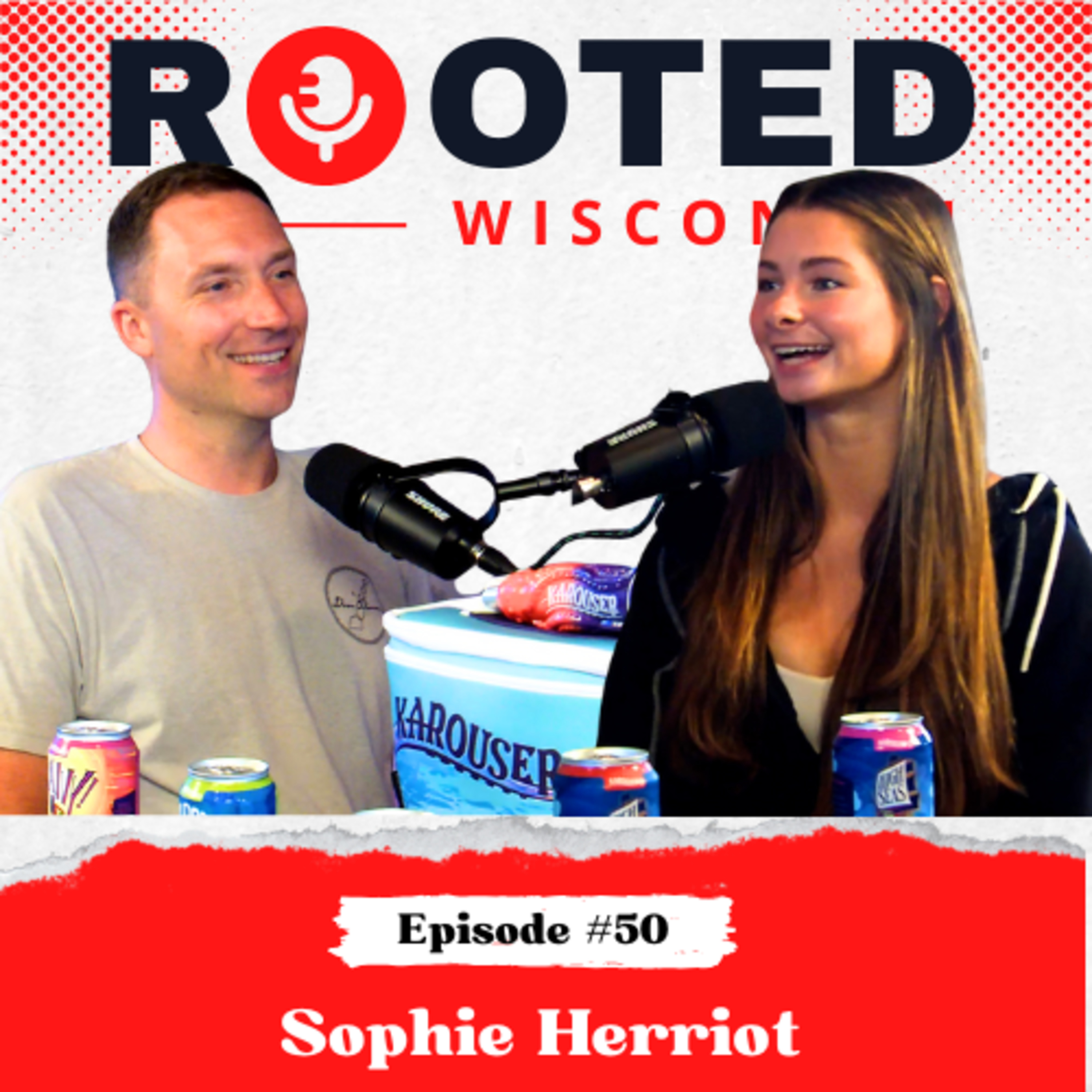


Sophie Herriot is a Wisconsin track and field athlete, who graduated from Arrowhead High School, moving on to pole vault at UW-Madison before transferring to Marquette last season.
In this episode, Brad and Sophie discuss her passion for vaulting, having her Dad as a coach, mental and physical hurdles she has faced in being a D1 college athlete, NIL and marketing, being an influencer, the value of persistence, and much, MUCH, more!
https://www.instagram.com/sophherriot/
As always, HUGE shoutout to our sponsors at Karouser and Riverside Pizzeria of Green Bay. They keep these episodes coming. If you dig our stuff, please support them!
https://karouser.com/
https://www.riverside-pizzeria.com/
0:00 What's up friends, Welcome back to Rooted Wisconsin. Appreciate you for clicking another episode. Appreciate you for being you. Today's episode is with Sophie Harriet. Super fun conversation, doing some awesome things. Track star from Wisconsin, she went to Arrowhead High School. Her dad is the track coach there. We kind of kick it off with a really fun story about her dad kicking one of my best friends and a previous Rooted Wisconsin guest off of the Arrowhead track team to an end to see who that was. But mainly we talked about Sophie's story, which is fascinating. She's faced some physical and mental challenges throughout her time as a track athlete and has overcome them all. And we talked about the value of persistence and how she overcame some of those hurdles.
0:43 We talked about her specialty, which is pole vaulting. She's getting into coaching now, coaching Arrowhead High School athletes when she's not competing herself. She has two years of eligibility left and excited to see what the future holds for Sophie. So really fun conversation. Another side of it, and part of the reason I reached out was interested in her story. She's killing it with NIL. She has some great partners. She's doing an awesome job marketing and she's a marketing major in college, so we talked about a lot of that as well. Speaking of that super fun announcement that kicks off our episode this week with a new partner, Carouser. Awesome folks, Dan and everybody at Carouser based out of River Falls, WI and bringing you an option in NA. You know I don't drink.
1:33 You know how passionate I am about non alcoholic options and the positive change I think they can bring to society. And Dan and everyone's mission at Carouser is exactly on point with bettering people's lives. Really excited to partner with them. Watch for some cool stuff. Dan's going to be on an episode in a few moving forward, in a few episodes moving forward. And we're going to have a pretty fun Packer game coming up where you can come and tailgate with us. So keep an eye on our social medias for all of that. Keep an eye out for Dan's episode of Rude Wisconsin to drop shortly after that. It's a veteran owned business. And we're going to the Packer game on 9/11. A little teaser there of what's to come. So appreciate the new partners at Carouser. Of course, a big thank you to our friends at Riverside Pizzeria.
2:20 Ryan and folks have been on from the jump and it's time for another episode. Enjoy it, Sophie, Harriet. So have the ways we try to lift our neighbors. Where did the love go? Where did the talk end? We need to help to make this better again. Yeah. So I think a cool place to start, I mean, it probably where a lot of stuff starts with you is track. Where does track start for Sophie? Well, my dad is the high school track coach at Arrowhead and he puts together a track camp every summer for kids ages. I think about like 6 to 14 just going into high school. So that's usually like kids like first experience to track. And when I was really little, he extended that to like 4 years old so that I could be there and I could participate. So we have pictures of me like running relay races like in my Crocs.
3:27 And funny enough, I am like the only kid that ever refused to do long jump at that camp because I didn't want to get all sandy. I don't know why but I was totally against that. So I definitely was not all into track from day one. It took me until about like 5th grade to really get into it and I fell in love with hurdles and like ever since then I've just been like all into track. That's what I was wondering. OK. So you started with hurdles? I did OK, yeah. When I was in like 5th grade, I was like dead set. Like I'm going to be an Olympian hurdler. I went to like junior Olympic meets. I went to high school practices and trained with them starting in 7th grade. So I'd be doing like their workouts with them, their lifts with them. And I just had so much fun doing that, making new friends. And I just really, really wanted to be like the best version of myself and just like always try to hit those goals. So I've really been always been dead set in that, yeah. Nice.
4:17 Yeah, recently I think it was kind of a fun thing that you did with some of your teammates you did like, was it the 400 relay or the. Oh, the four by one. Yeah, that was so much fun. Uh huh. I did. I did a few 4 by ones in high school and four by fours. But I was gonna say. It looked like you had done it before, like it didn't seem like your first time. That, that makes me so happy to hear. I was like, I was so happy when they said we could do that. I'm like, I got this down. Like I've I've done sticks before. Like I know how to put my hand out so I'm not gonna be waving it around. Like I knew I wasn't gonna be the issue on my team. And it was so much fun to practice that and actually get to compete. And in my video I posted, you could see me next to one of our actual 100 sprinters. And in my mind, I'm like, I gotta just stay level with her. So that was so much fun.
4:58 Good stuff. Yeah. So, yeah, funny story about your dad. Well, kind of. It involves your dad, isn't it? So I know a lot of people. You went to Arrowhead and I texted a couple of my friends this morning. You were coming up on the pod and asked if anybody knew you and they didn't know you. But one of my buddies in the group chat said, well, I don't know Sophie, but her dad kicked me off the track team in front of everybody. Oh my God. It was great. I'm sure he deserved it. And then he he went into this thing where he was like, I think his primary sport was soccer and it was probably something where he wasn't taking it serious or, or something like that. But I just thought that was. Hilarious. That that's what ended up in the group. Thread. Yeah, yeah, uh huh. Yeah, so I ended up, I ended up following some of your dad's stuff too.
5:42 It looks like he's got a lot of passions outside. Maybe he'll have to be the next Harriet on the podcast, right? Yeah, he does. He has a lot going on. I'm really grateful that he is my dad because I feel like that has shaped a lot of the passions and like, interests I've had in my life. I mean, he's the reason I got into photography, which has also been super helpful with my Instagram and just so much fun. I mean, I started doing like landscape photos with him, like going to shoot the sunrise in Milwaukee or going out to Holy Hill like he does all the time. And it kind of like spread into like sports photography from there and then more into like my own Instagram. So that's a question I have. What's what's it like having your parent be your coach? I mean through a high level. I loved it. I know some kids don't like it as much, but he has never been like on me to do workouts.
6:26 Like since I was probably like 12, I'd be asking him like, what workouts can I do? And like he'd tell me to stop. Like when I was in middle school, there was like a three month period where I'd run like 4-4 hundreds in the morning at recess and when I got home again and he's like, all right, you got to dial it. Down 12 of them a day. Yeah, nice. And like I obviously like I didn't keep that up for very long. Like that's not super helpful, but I just, I really wanted to get better. So I wanted to find like any way to do that. So it's been great, like getting to come home to from practice and like analyze my vaults, analyze like what I'm doing for my Sprint forum, like think about what what we're doing in the weight room and have someone that can actually like talk to me about that and like work through those things. So that's been, that's been so much fun to me. Yeah, I think that's the main difference for a lot of people. Like when when the interest and the motivation comes from in inward, then then it's excellent and awesome to have as a resource.
7:16 And then you know, there's obviously the flip side too. And it, it depends on the parent, too, of someone that you know is trying to live vicariously through someone else or or is pushing too hard or whatever it may be. But yeah, that's, yeah, that the resource has to be invaluable. That's, that's another thing. I don't know how one of my friends knew it. It might have been the same guy. But did you have a pole vault practice thing in a pole barn? At your house. I did. Yes. OK. So I found that out, yeah. So I think, I would say, I think my sophomore year of high school, so we had like a little pole barn in the back of our in the back of our yard and we had chickens on the back half of that. And 1 winter the chickens kicked over their heater and set the whole thing on fire. Oh man. Really yes. So it ended up being like the amount the insurance money would have taken to replace everything in there was about the same as it would cost to build a new barn. So they decided to build a new one even bigger and that same year Arrowhead was going to throw away their old pole vault pit so we're like oh we'll take care of that awesome. So we put that in there.
8:12 We built a little runway that went outside. So all throughout COVID, I just had like a pole vault pit in my backyard and I'd do like workouts for like 5 hours because like, there's nothing else to do. Yeah, that that was so much fun. Like I had a friend or two that would come vault with me and that was that was just a really great experience and like so helpful to work on form and that kind of stuff. Thank your lucky stars for that chicken. Oh my God, yeah, right. That is so funny. Yeah, Yeah. So when did the transition happen? When did your interest from hurdles go to pole vault? My freshman year of high school, so I got my varsity letter from hurdles freshman year, but I just had a hip injury that just kept nagging. And it was specifically in hurdles. And my dad's thought with me freshman year is that we're going to throw her in all of the hardest events so that she has the best chance of success, like long term. So he had me do triple jump, he had me do the 4x4. I did pole vault and like 300 hurdles, 100 hurdles. So yeah, all, all the best events in track, you know, and if we get to the end of the year and we're like looking at like the all time list for freshmen, it's like, all right, like I'm middle of the pack for hurdles, like I'm maybe top 10 for triple jump, but pole vault, I was number 1. And I don't really know how that happened. Like I didn't have any gymnastics background or anything like that, but it was like, all right, I'm clearly best at this of any other event.
9:25 It's really fun. So I kind of stuck with it after that. Gotcha. So just kind of identified the skill that you were best at. Yeah, went all in. Yeah, and I think it was really a strength thing. I know freshman year, like, I spent a lot of time in the weight room, and I didn't have a lot of female teammates that did that either. Now the girls team at Arrowhead is doing amazing. But that started like the year after I left. Like when I was a senior in high school, I was the only girl on the podium at state indoor or outdoor. And there were a lot of years where I'd have to be like, workout, workout partners with the boys in the offseason because none of the girl teammates did any of the offseason work with me. Yeah. Yeah, yeah, they're back-to-back state champs now, right?
10:06 Yeah, they're they've done amazing. It's been so fun coaching them as well. But yeah. Yeah. So that's one thing. Maybe it might be a little early in conversation that I want to get to. I want to get to coaching too and how your interests get there. But first, I think before we get that the transition to being a college athlete, then what was that like for you that that story is different for everybody? How did how was it different? What was what you expected and and how did your career continue after high school? Yeah, transition to Madison definitely was not super easy. A lot of college programs do really hard conditioning in the fall, which I don't know how much I agree with because I work really hard all summer, so I'm not a kid that needs to get back in shape per SE when it gets to the fall season. But we did a lot of harder workouts at Madison. We'd run like I think about like 600 meters around the track, do something like that, and then do like X runs with like squat jumps.
11:06 So we were being trained with the decathletes, and I'm not a decathlete, so I'm not sure how beneficial that was specifically for pole vault. But because I had done the 400 in high school, like 4 by 4, like, I had a lot of fun with it. Yeah, like I'd be done with the workout. Like, have to go stick my head in like a box of ice. But I'd be like, all right, thanks, coach. This is so much fun. I'll see you tomorrow. Yeah, being a worker, Yeah, you're a motivated person. I mean, kind of that's a thing, right? With an athlete, that's a thing when you're a person that works hard it all. It often comes along with somewhat being a pleaser too. And you want to, you want to impress coach. Like that's what we're taught to do as athletes. Like. OK, I want to show that I'm the best at this. So I get put in the position to succeed. And then I think a lot of athletes come to the point where once it's similar to being a transitioning from being a kid to an adult that you realize you have some autonomy and opinions about what you can do and what works and what's the best for you.
12:04 And then did it take up some, I'm, I'm sure it took a lot of reflection and work to let that finally come out, right. Your thoughts about that? I'm someone where I love to feel like I'm working hard. So those kind of workouts, like they felt great, but I wasn't progressing in like actual pole vaulting. Yep. So I had definitely had many conversations with my coach, but he very much did not appreciate that. Gotcha. He would tell me that I had no say like I hadn't really accomplished anything yet. So I should 100% just listen to him and like not ask any questions, which I I didn't really agree with. My coaches at Marquette are way better about like, hey, this. I will explain to you why we're doing. And it's like what the method is behind this.
12:45 So I've loved that. That was great for me. But it definitely took some time at Madison. And I think eventually my coach realized that I wasn't like questioning his like, expertise or skill. I just genuinely wanted to know more about pole vault, more about like, OK, why are we doing the training that we're doing? This is very different from what I've done in high school. Like, what's your thought behind that? So it definitely like took a hump to get over that. But it was a little bit more smooth sailing after that. OK, good. Probably another time. Invaluable having your dad too, right? There was probably a lot of conversations at that that point. Yeah, I don't know if anyone knows this, but my freshman year at Madison, I'd go home like almost every single week and then vaulted Arrowhead with my dad. Yeah, I was. I always believe that I'm responsible for my own success.
13:27 So whatever program I'm at, if I don't feel like I'm progressing at the rate I should be, then that's up to me to figure out what it takes to get back to that level that I should be performing at. So I'd come home to Arrowhead and I definitely missed a lot, like socially and like with time with my roommates and stuff, because I'd go home. But I was very determined to be the best that I could be. So that was not a problem for me. Yeah. Well, and that's it's kind of double or triple ways that are good for you, right, Because you're progressing in what you want to do. Also, you're getting out of a place where maybe you're not feeling as comfortable as you could and kind of at the same time you're back in place of comfort and and growth.
14:08 That's awesome. That's another piece of being a college athlete though. What you bring up there like that I think goes understated a lot is the dedication and time and sacrifices that you make compared to that. You know someone going to college solely for the education and then outside of that they have time to do that, those social things. What's that been like navigating for you? Yeah, I feel like I haven't exactly taken like the typical, like college path, like I will only go out like a few times a year. It's just, I don't know, I I really like socializing with my team mates and my friends, but I work so hard to get better. I don't want to do anything that's going to detract from that. Or for example, at Madison, maybe maybe I'd go home on Saturday at a vault, but then Sunday morning I would work with our lifting instructor there and I'd come in and do extra work while the throwers were lifting.
15:01 So I I just, I always had something else to do, always extra time. I wanted to be putting in like I would tell my coach, like tell me like literally anything I could be doing to get better. And I will do everything, yeah. Yeah. And that's what builds success, I think, is that mentality. And of course, I mean, balance is important in all kinds of life, but people that reach the highest echelons of doing things are often a little bit obsessed with what they do. Yeah. Yeah, I think if you're going to be a college athlete, you really have to love it. I mean, if I didn't love track, I definitely would have quit after things went S at Madison. There's definitely been so many times where it's been iffy, like, am I progressing? Like, is it worth it? Am I, am I getting better? But every time things have gotten difficult, I think that has just pushed me to like dive deeper. And so it crossed your mind, I mean, I'm sure it does in that scenario, crossed your mind of just leaving it behind and moving on to what was next in life. It did when I got sick.
15:56 I'm not sure if you heard about that, but I was hospitalized for septic shock for four days my fall of my sophomore year of college. Septic shock, That's super dangerous too. Yes, I had a staph infection that looked like little pimples on my legs. And I remember, I think this was like around the first week of October and Monday I went into my trainers and I'm like, hey guys, this doesn't look right. Like something's wrong. And they're like, oh, it's not a big deal. They, I think they put like Sharpie marks around it to like see if it got worse or anything. And like, I came in every day for a week. I'm like, this isn't right, This isn't right. And like finally on that Friday, they gave me like 1 Benadryl. And then the next morning I had to be like taken to the ER 'cause I was like throwing up blood. And it was, yeah.
16:39 So that was, that was, that was pretty scary. That escalated pretty fast. It was a game day that Saturday, so the EMTs were for some reason, like convinced that I was like drinking and just hungover so they didn't want to take me. And then I started throwing up blood and they're like, all right, we got to get this girl in. But yeah, I was in the hospital for like 4 days. I think they put me on like norepinephrine because my heart wasn't beating like at like a livable rate. They gave me like every test to man. So that was definitely difficult. But then right after that I got mono. So just like double punch to the gut right there. And then it was really hard to get back into track. Like they told me I wasn't allowed to lift, wasn't allowed to do anything that could cause like an injury to like my spleen, which was like inflamed because of mono. So that was definitely like a point where I'm like, all right, like am I still going to be able to do this or not? Like how functional am I going to be? How long is it going to take me to get back to normal that all that kind of stuff.
17:32 Yeah. So that was the point where some question came in. Yeah, I mean, even my dad was like questioning. He's like, like, yeah, maybe you spend the next few months, like trying to see where you can get back to it. And if you're jumping, well, then we keep going. But if not, then, then maybe it's time, you know? And I feel like, I feel like I always knew I didn't want to be done, like, even when I was, like, in the hospital bed, like, feeling like, OK, I feel like I'm actually dying right now. Like, my first thought is, OK, when can I get back to track? Yeah. Like when can I be back? Yeah, back to that obsession. So do you remember? Do you remember the first jump back after? Yeah, after that. Oh, that's a good question. I remember the first workout back after that, I remember my teammates were doing a pretty difficult workout and my coach told me I could do like a couple ramp sprints and I think I did like 10.
18:22 And I'm like, can I do more? And he's like, you need to slow down. It's like you need to stop. And another thing with Madison is they have you do like a straight pole vault. Like I'm sure you've seen like pole vault videos before, like the pole bends a lot at Madison. They have you hold a lot lower. So it's like stiff kind of like old school vault. And for me that was very difficult. And for a lot of kids like that is a very difficult like challenge and try to figure out how to do that because it's basically a drill. So we would do that for like months before the season started. And I also didn't super agree with that and like effectiveness. But when I got back to jump, that was that was all I was doing basically. So it's just kind of a drill. And then I probably, I don't think I actually got back to like real vaulting until like April.
19:04 OK. And that had to be a whole different kind of work, right? Kind of like restarting probably. Yeah, the biggest thing I had to work with was my confidence. Yeah. Like that just was completely shot. I don't know if you saw this either, but so I had mono and then my first like full day back I think was like the first or second week of February. So I had like 1 real jump day for the first time all season. And then my coach brought me and like a majority of all the other vaulters into his office and he said I'm cutting all of you, I'm too stretched. Then I was like, oh, all right, really? Yeah, and like, I personally, I wasn't going to argue with that. If he says he doesn't want to coach me, that's fine.
19:44 I know a lot of other a lot of other coaches that I've been successful with. And I also, I vaulted 12 feet in high school and 11 both years in Madison, so. I knew it wasn't. Yes, a full foot, really. And I knew it wasn't the right fit. I didn't fully agree with some of the training plans and I know that coach has a lot of good experience with a lot of athletes, but it just wasn't the right fit for me. Yeah, So I wasn't too upset over that. I know at the time I definitely thought like I was the issue, but looking back at it, I mean I jumped 12/8 at Marquette so 20 inches higher in one year. Like I feel like that speaks for itself honestly. Absolutely, yeah.
20:24 And you have some big plans for next year. I do. I'm really excited. Yeah, that's awesome. One more year of eligibility left or do you have a COVID year? Nice. Not a COVID year but I think it's I guess either red shirt or like medical red shirt from like. Oh, you had a medical red shirt? OK, cool. Nice. You have two years left. Yeah, I'm super excited about that. I feel like I my freshman year at Madison, I have stress fracture. And then obviously sophomore year I was pretty sick. So I feel like this last year, it took me until February to get back to where I was in high school. There was like a meet at UW Milwaukee where I finally cleared 12 again. And I, I like, almost cried. I was like so happy to finally like be back in that place. And then it was just so much fun, like building up my confidence this last season and like, and actually speed I, my form did not improve a whole lot, but I got a lot faster and stronger at Marquette and that really showed with my heights.
21:15 So this summer I've been really focusing on breaking down more of like the technical aspects. So I'm really excited to clear some higher bars this summer and going into the next season. Nice, I'm going to move around so these lights come back on and I have my next. Question. All right. OK. So do you think like do you think that foot was a lot of that mental or, or was it a, you know, 5050 mental, physical or was it more physical? Why do you think that foot happened? Well it's a lot of like technical pole ball things. So when I was in high school I was on a pole that was 13 feet long and weight rated at 145 lbs. And in college my coach had me on a 13 foot pole but holding like 2 feet down on it so it would act as like a straight pole.
22:03 So it like would have been like near impossible to jump the same height doing that. I'm not really sure why he thought that was the best strategy, but it was just he wanted me to do different things with my forum and basically had me like competing like on like a drill. OK, so it was technical? More than it was definitely technical, but he also he wanted me to get my step further away from the pit. So he wanted me to like jump further away from the pit, which I definitely needed to do. But since he had dropped my grip, I was taking off where I need to be. And I think he was so like overwhelmed with all of his other athletes. He didn't realize that. So I was having a lot of like sketchy practices where I was landing back on the runway like every single day. Like that was like a common occurrence for. Someone who had been pole vaulting for years and years. That's wild.
22:48 Yeah, I think I'm at just about, like, a decade of pole vaulting now. Yeah. And like, I'd go to practice and I'd just know, like, I'm standing on the runway. I'm like, I'm gonna land back on the runway. I'm gonna jump up here and I'm gonna turn back around and, like, have to, like, roll out of this and, like, hurt my ankle or something. And like, that is really hard to, like, trust yourself after that. So I did a lot of work with a coach in MAD Pete Dvorak at Madison Pole Vault Club, and it took so much time to like, build back that confidence. We started on like a really short approach and just slowly, slowly moved that back. And he said like, I look like a completely different athlete than like the first day he saw me. So I'm really glad to hear that. But that's been a great experience for me. Nice. OK. So I want to talk about marketing a little bit today too. Yeah, you're a marketing major.
23:29 You've got it. Looks like you've got some killer NIL deals. Let's start with NIL because I think that's such an interesting space. I had the opportunity to have Stephanie Grady on a while back and she talked about NIL. I think it's awesome that college athletes are finally able to earn money like that. Seemed like it should happen for so long. How has navigating that process worked for you as far as like setting up the deals, like figuring out growing your social following, which is killer like and making content like what? What led you in that direction? Was it nil or was your interest there and you use that as a tool? How that all come about? Thinking about that, I think I'd like to start talking about content.
24:13 So as you know, I do a lot of photography and like videography, So it was very natural for me to want to do that on my Instagram. Like even before I had followers, like even in high school, like I knew pretty early on, like I didn't want to be posting like dumb little selfies and like I want to make this almost like a scrapbook of my personal life. Like I want this done well. I want these to look like professional. So I think that really helped by the time I got to Madison and I supposed like my media day pictures and sophomore year of college, my media day pictures went viral at account. I had an account called College Weekly repost one of my pictures and it got like 70,000 likes. So when I was in the hospital bed, actually, I was like looking at my Instagram and I was like, why do I have 8000 followers?
24:55 Like what happened here? And I just saw like a bunch of counts started like reposting, you know, I was like, Oh, this is cool. So I kind of like got thrown into that a little bit. But because I had already like had that base of like posting like consistent quality content. People were seeing that picture and then looking at my page and we're like, Oh, I want to follow this girl. Like she posts like good things about track and like that kind of stuff and travel. And so that that was fun. After that, I think I had, I've definitely had more brands reach out to me than I've reached out to. I haven't had much success with that. Obviously, like, you know, in marketing, like brands aren't, they don't do anything random. Like they have like planned campaigns that they're working on. And I feel like that's why it's more successful. If they're going to reach out to me, like they're seeing my page, they're like, you fit with our brand, like I want to work with you. Yeah.
25:38 So that just kind of like slowly built over time. We have, we had people at Madison that would work with us on NIL. OK. So that was kind of helpful. But even then, I was kind of doing a lot of that on my own. Funny enough, the day I got cut, I had to give a presentation at Madison to a bunch of the athletes about NIL. Really like that night. Yep. I had to present and I was like, oh man, I got to get it together. Awkward. Yeah, yeah. But it was fun. It was a good experience. Like I'm glad I, like made myself go do that, even though that was obviously a rough day. Yep. Yeah. So that was fun. I've had a few NIL agents. I actually had a big issue with one this winter where they changed the terms of the contract after I signed it. So I was only working with them for like a month and I had said they or sorry, let me restart.
26:27 They wanted 20% of any deal I made, regardless of if they were a part of it or not. And I was like, I kind of disagree with that. Like if I'm putting in the work, reaching out to brands, I feel like you shouldn't get a cut of that. Was it a management agency or some? Yes. Management agency. Got it. Yeah, OK. So they alter the contract. They're like, all right, we're OK with that. And they actually never got me any paid deals in like, the month I worked with them. And I got a text. So I was like, oh, can you just let us know, like, what deals you're getting? So like, we can get our cut of that. And I'm like, what are you talking about? Like that's not in our contract. And she like, sent me like the paperwork. And she's like, oh, yeah, it's right here. And I'm like, this is 100% not what I signed. So I had to, like, work with a lawyer through Marquette to try to get that like, fixed. And apparently they weren't, I don't know how to say like signed up to like represent like student athletes like in the state of Wisconsin.
27:17 So it was like nullified anyway. But that was definitely like a very stressful period of. Time. How predatory. Yeah. And I'm like, at the time I'm like, I'm 20 years old. Like, I don't know what I'm doing. Like you're fully like taking advantage of athletes. Like that's just not a great thing to do. Yeah. I wonder, you know, I think about how much of that is in that space. Anytime, anytime something new or fledgling happens where there's money to be made, there's people scrambling, trying to figure out how to get their cut of that money. At least you recognize it up front. What? Man, that would've been crazy if it, you know, worked with them. And maybe got a couple like good partnerships via the relationship or something, but it sounds like they probably weren't even working on the other end, they were just trying to get your.
28:00 Well, I think she, I think she was working, but I don't think they had any like actual brand connections. So I'm actually working on signing with a new company now. Do they like actually have relationships with a lot of like athletic brands? So I think that's a lot better. I think this last agency was just trying to like, point blank, like pitch me to brands that they had like no formal relationship with. And that goes back to like, the brands aren't gonna just take up something random. Like everything is strategic with social media. So obviously that wasn't super successful. Like, I think at best I got like a couple like, free products here and there, but that's not exactly what you want. Like actually like building a brand. Yeah, Yeah, not at all. Yeah. And you're right. And I think even even when it is a good match, it's still so much harder to convince somebody that you're a good match, then them come to you and say, OK, this is the perfect fit. Because I mean, they're they're corporate. They have people that breathing down their neck about their budget and you got to it takes more convincing, you know, so that's good.
28:54 So then does where did your interest in marketing come? Was it like, is it from this or were you interested in marketing prior? I was definitely interested in marketing prior. That kind of comes from like the social media. And I think my current thought is I want to do something with sports marketing. I feel like I'm like kind of in that space now. So I think I'll like girl like with experience in that industry. But I mean, even in high school I was thinking I want to do something with marketing. I wanted to do something creative. I do, I do photography. I do like painting in my free time. Like, I just, I love art and like, all aspects of that. Yeah. And my mom, my mom told me that I wasn't gonna make any money as an artist. So I'm like, all right. Like, how can I, how can I bring this into the business world? Yeah. Nice. So you went that road instead of going the route that so I'm going like prove you wrong, move out and be a starving artist and try to make it. Yeah, yeah, well, my other thought is like, I can do that on the side too.
29:43 And I also didn't want to turn something I really loved into like a pain. Like I didn't want to go into photography and then have just, I have one of my passions that I love turn into just a task and a job. So I think I thought it would be best to separate that and I still kind of feel like that's probably the way to go. Yeah, for sure. Are you enjoying making the deals like you talked about the contract issue earlier, do you enjoy that piece of it and cost per mill and all that stuff you have to do and. Not as much. I actually, so I have a longer term partnership with C4 and I'm really enjoying that because of the freedom I have. So I just got to make a video about coaching one of my high school athletes at the Nike national meet. And like that was so much fun to like make videos about that or going hiking or workout videos. But the freedom I have that's that's so much more fun that I can actually like put together a quality video. Where they're not coaching your content. Yes, yes, I I'd end like a deal I had with a brand pretty recently.
30:38 I, I sent them my video based on like what they had asked and they just kept asking me to reshoot it again and again to make it more scripted and more like an ad. And I knew it wasn't going to perform well and I felt like it wasn't going to be a good look for my brand overall and might be counterproductive and getting deals in the future. So I just had to be like, all right, this just this doesn't align with my content or with my personal brand and I had to shut that one down, which which sucks, but I'm really glad that I'm able to like see that and make that call. There's some people that still don't get it. There's some people that still don't get what's working on social, you know, and what's working on social as being you. That's why I was OK 5 minutes ago getting up and walking around and turning these lights on because it's what works. Like it's really what happens. Yeah.
31:19 And some people still don't get that. And they're. I I think some of that stems from back to like people that worked in the traditional media days when everybody sat stop straight and the cameras had to be perfect and the line had to be perfect or you redelivered and all that. And I think that like the the average consumer sees through that right now is, is it like, is it something where did you have to leave some of their content on your Instagram, like the partner, even though the partnership's done, is some of the content with them still on there? Yeah, we did. It was like a two-part thing. So like the first video I still have up there somewhere, just deep in my feet, but I was like thinking about the second one and I'm just like, I just can't do this. Like I'm not, I'm not proud to put my name on this. And that's like the biggest thing, like anything I'm posting.
32:03 Like I want to be like happy about it. Yeah, I'm excited. Like, oh, I just made this video. This is something new for me. I tried something different or just I feel like this is quality content and I just, I didn't feel like it was that. Yeah, nice thing about it is that's a little, we just dangled a little carrot out there for people to scroll through your Instagram and that'll definitely help the algorithm. Yeah, try to find which one it is. Yeah, yeah. I ask because I don't, I don't particularly like the deal side of it either. I like building the relationships with partners, but then always when it comes to the point of like drawing up the contract, I'm like AI just make this fast and easy for me because this is not what I enjoy. Like the legalese language and stuff and I'll.
32:44 Make AI read my contracts. Yeah, it does like a pretty good job. It's like, all right, read this for me like as like an influencer, like what is what's going to cause me problems here And like it, it catches like 90% of the things. So Yep, that's been really helpful for me. 100% I do, I do the first drafts of mine with AII have AI write it and it's probably how your partnerships work are probably, I would guess flipped from mine because a lot of times they're probably providing the contract to you and you have to go through it. I'm generally with my partnerships writing the contract. So I'm like, I'm not going to toil away. I'm not a lawyer, you know, I'm not going to toil away here for five hours. And I'm hoping like by the time we get to that point with my partners, hopefully they just see that I'm, I'm more of a handshake deal type person than anything. Like if it doesn't work out, whatever. It's not like we're dealing with $1,000,000 here. So it's going to be fine.
33:37 But. But yeah, so you like the creative side of marketing. That's so one of the best things about marketing is that you can do so many different things. You can go in a million different directions. Do you think you'll stay in the the social space or? I think I will as long as I can. I'm not planning on being done with track as soon as my eligibility is up. Like I would like to see how far I can take this. And yeah, in whatever way I can. I mean, with pull ups specifically, there are offseason meets just like throughout the year. So like I could compete on attached like at a meet at like any D3 university in the state pretty much. OK. You just so recently I saw it on your Instagram, right? You did one of those recently, right? I did, yeah. Indoor season. I I was not super happy about how my indoor season ended at Marquette. I was like I know I can do better than this so I asked to do one more meet at Ripon and I got APR so it worked out. Nice, nice.
34:27 And that, well, that can keep the, that can keep your social content rolling really well, too, that you don't have to pivot to something else that interests you. Yeah, there's a dude actually in Wisconsin that's killing it with that. He played D3 football. He's friends with the guy I had on the podcast recently, Richie something, and he's he's kind of doing that like his eligibility for college is done, but now he's pivoted and he's like playing arena and stuff like that. And I you know, it's good for the content side of your business too, because then you can keep it going. What like what I'm kind of AII don't know much about like, well, track and field in general, I don't know what to talk about. But pole vaulting specifically, like what do Olympic pole vaulters get?
35:13 Like female Olympic pole vaulters? Like what is that height? That's got to be like 16 feet. 16. I think to be like a legitimate, like professional athlete, I would have to be jumping around 15 feet. OK. But if I want to, if I want to spend the time in my 20s to keep doing this, then I can. I can, like I said, like there are so many opportunities for that. So let's say I finished college at 14 feet, but I spend the next two years and I get up to 14-6 and just slowly chip away at that. I've been going to the WIST cut track and field clinic with my dad since I was in 7th grade. And there is one coach there, Harry Mara. He coached Ashton Eaton, if you know who that is. He's like a Olympic champion in the decathlon.
35:56 And he was talking about how a lot of the Olympians are, like 26 to 28, and there are so many kids out there that could be that caliber, but they just don't want to take the time, like, to be doing track for, like, that long, like that late in their life. So that's kind of something that I think I heard that when I was in like, 7th or 8th grade. And it kind of always stuck with me. Like, I want to be here for the long run. Like, I want to see what I'm capable of doing. Yeah. Yeah, yeah. And I, well, there's probably a couple angles to that, right? One, burnout happens in a lot of different ways. So when you find yourself in well, in a scenario you're not enjoying or like if life presents other opportunities that are more appealing at the time. But also I think there can be an issue of resources too, that I know that happens with Olympic, Olympic athletes all the time.
36:42 That's another group of people that I think should probably be make more money than they do, which is crazy. Like once every what? Well, in their respective seasons, once every four years, you get to go and compete, but then in between you're just like hammering away work, barely getting paid. And for a chance, for a chance, I think we could probably as a nation do a little bit better job with that of providing a space for people to succeed. Yeah. Resource wise. And like, thinking about it, that I feel like it just has to be with social media. I mean, like if I was doing well, like in like the influencer space and continuing work with partnerships like that is equivalent to being like a professional athlete, like with a deal, you know, like, because they're not paying you all that much.
37:30 Like if you are like that high caliber. But if I have like that social angle, like I could just continue doing what I love at whatever level I end up being at. Absolutely, Yeah. And I think you're spot on, Daniel. You want to you want to do the stand up and walk around this time. Thank you. Thanks, producer. Dan, appreciate you the there's a another Wisconsin track star that I think is doing that pretty well. I think he's from northern Wisconsin. Kenny Bednarek, like his social is pretty, his following is pretty big and I'm sure that helps, you know, and given he's reaching the highest echelons of his sport, but I'm sure there's a transition period where even him was like, you know, how, where does money come from this and, and social being the place? I think that's pretty poor thing. You're thinking like a marketer.
38:16 That's something I tell my students all the time, like, you know, teaching's a wild thing. And I, I understand wholly that you don't leave a class. Like when I think back to getting my marketing degree, I don't remember what I learned in classes. I remember these like overall themes. So I almost tell my students like, I I just want you to think like a marketer when you leave here. And if you do, then opportunities will present themselves. You're going to do just fine. But like identifying where that could happen for you is good. And that's probably, you know, there's alignment with that of succeeding in your at whatever you put your mind to. Because just talking to you a little bit, I can tell you're very driven, motivated person. And a lot of times, that, combined with seeing where you can open up a door for yourself, is what leads to proverbial success. Whatever that looks like to you, it's fun to think about. Yeah, yeah.
39:08 I never really expected to be in like the social media landscape. So it's been interesting to see like what doors has have opened up for me while I've been in college. Yeah. I mean, like freshman year of college I was thinking like, OK, I want to try to get an internship and like that was that was really hard to try to figure out. And now I'm in the space where I'm like, I don't, I'm like, I don't really need a summer job. But at the same point I'm like, OK, I'm actually putting out content every week, like filming things like editing like this, this actually is my summer job now. Like this is going to be my job, like throughout the whole school year. So it's been, it's been really cool to see like how this path has like taken me just past where I ever thought I would be. Well, it's also your internship too. I mean, you're a marketing major. You're doing it.
39:51 That's really cool. Yeah. What how how has it paired with the athlete, the athletic side of things? Do you find it to ever be distracting? Do you find it helpful? Do you find it just fun? Like how does it pair because? Being so focused on getting really, really good at one thing and now it's like, I can tell your interest is in this space too. So growing interest in another space. How would you, How did it? How is it paired with being a college athlete? I would definitely say there's two sides to that.
40:32 One, I'm very grateful that my dad has been able to take videos of me competing at my meats so I don't have to mess with that while I'm competing. So that is really fun. Like I love looking back at my videos and like stitching that together. I don't love having to film when I'm doing a workout. I would almost rather just take a Sunday and go through a couple different things and film it then. It's not as fun to be at Arrowhead on the field when there's other kids doing stuff and I'm over here with my tripod. OK, I'm gonna do a couple spots and the video and do something else. I, I really want to get into my own like headspace. Like I, I am driven, like I have goals. I am here not to just like check the box if I did the workout today, but like I want to do this to my fullest potential. So it definitely can get a little annoying to be like, oh, I got to film a video while I'm doing this, But I definitely I'm able to have more fun with that.
41:20 I think the longer I've done this. So I think I'm getting more into that space of like I can create really cool things now. And I think I just need to separate the times where I'm like hard working out and then like creating content because those are those are just such different like mind spaces. Absolutely, yeah. And and that's kind of where my mind was thinking about it. Like when if you're, you know, working towards anything, trying to be at a high level, like you're in getting shit done mode, like I'm when I'm working, I'm working out, you know, and that to be in the creative mind space is completely different. Like, oh, am I getting the right angle? Like even though it's still. We talked about how important authenticity is, of course that is. But at the same time, it still needs to look good and like, am I getting the right angle? Am I in the right spot?
42:06 Like, did I remember my sponsor stuff, all of those things? Do I know what to say? Do I have to say something? Yep, Yep. So yeah, I wondered how that came into play and I don't, I know I would have a difficult time with that. We've talked about that on the podcast because some days, like producer Dan can't always come. So if I have to set up the whole space and I'm thinking in that, I've had a couple episodes where I've had trouble navigating back to the conversation and remembering like what I wanted to talk about that day because you could tell we're not too scripted around here. So like I I just kind of have these your mind worms of things I want to talk about. And then if I was on like, oh, did I?
42:48 Did I focus the camera we talked about earlier is is light up? So it's just two completely separate things. Yes. That you guys bring together. One thing I will say with that is I do a large majority of my work in post production. So like most of the time, like I could just set up a camera and start doing my workout and just make sure like I'm going to be in the frame for part of it. And then I take it home and take this like 10 minute clip and like cut it up into little smaller pieces. Like, that definitely works more for me to try to keep those separate and not just be like, on my phone all of the time. Yeah, yeah. So that's one thing I was gonna ask, and I think that's a hurdle for a, well, less people now that things like there's a lot of tools that are helping people edit, but I think that's a hurdle still for a lot of people in IO, like editing their videos.
43:34 How did you learn how to do it? Well, for one, I have a friend who's a videographer for the Milwaukee Bucks. So he's like taking me through like premiere Pro like a few times. I still need to get that like dialed in, but like that's been a super helpful resource for me. I most of the time I'll end up using cap cut on my phone though, just because it's so user friendly and easy. And I have like the premium version of that. So I have it like on my phone and my computer. So it's a lot. It's very easy to, like, stitch those clips then together. And yeah, I feel like I end up doing way more editing with pictures than I do actual videos. OK, Funny enough, yeah. Like, I don't, I don't do a lot of transitions unless I'm, like, making a video for like, my Marquette teammates, like at the meet. Yeah, yeah.
44:15 Otherwise it's just straight cuts. And yeah, it's usually just cuts. I mean, I've been filming myself doing workouts and lifting long enough where I kind of know, like, what angles are going to look good. Or I'm like, OK, I'm going to set the tripod here for Rep number one, move it over here for two and move it over here for three. And then I know I can like, stitch those together like pretty easily. OK, I think I've definitely, I've definitely cut down the time it takes for me to do all of those, which is very, very big for me. Like I, I don't want to be living my life and like asking my friends, like, oh, can you spend 30 minutes taking a photo of me? Like if we're out doing something, take two photos. Like I'll set up the camera. All right, we're good. Either I like it and I post it or I don't. I definitely, I don't want this to be taking up all of my life. And I don't want it to take up too much of the life of like, the people around me as well.
44:57 Yeah, absolutely. And and that's part of the authenticity too, because once it drags on for a little bit, yeah, Like, you as the talent, the person behind the camera, everybody's like, all right, let's keep our height going, you know, whatever we're doing. But I thought, you know, I think that's interesting. And like, I wonder social media has changed so much. So I date myself. But I had a marketing agency when Facebook was like the thing. And I had a marketing agency at that time where like I help businesses grow their brand on Facebook. That was the social media. And at that time content was like, you know, you had to do Premiere Pro or something like that. And a couple years ago, I have a previous student who's doing some cool stuff videoing athletes now.
45:39 And I remember he, he's the one who kind of like I had known about cap cut, but he brought it to the forefront in my mind. And I just wonder, you know, as everything goes and as as I age, you know, I'm eventually going to turn into a tech dinosaur where people know things that I don't. Right. When I was on the cutting edge at one time. I'm trying not to, I'm trying to stay. But like, I'm even that question is on my, on my mind. Like, oh, is this just so normal for Sophie because you've done it your whole life that it's just like, OK, all people that age know how to cut a video. Whereas for me, and like, if this happened 10 years ago, there would have been production companies salivating over people because nobody knew how to edit their stuff.
46:23 Yeah, yeah, I feel like I definitely get a lot of questions from my friends about like building their Instagram and stuff. So I don't, I do not think a lot of people know how to do that. But like having my dad being in that space and like other friends that do photography, it just kind of, I was kind of already doing it and it's easier just to like have our foot in the door and just keep progressing from there. OK, so wipe the sweat off my brow. I'm not a dinosaur yet. Got it. No, no. Got it. But even, I mean, the value of just having someone to hold the camera, Oh my God, like one, either you'd have to hire somebody or have a really good friend on the team that did the opposite events of you hold the camera so you can just have them there.
47:04 Or a tripod. Yeah, or a really good tripod. Yeah. What, like, how does that work? Does he still get to come to most of your meets, even coaching track and stuff? Does he get to come? And I suppose it's easier now that you're in Milwaukee as opposed to Madison, but. Oh yeah, I mean he even drove to my meet in Kansas, which was awesome. Nice. Yeah. But the college season for me started in January and his season didn't start until mid March, like as in first week of practice. So he didn't have as many conflicts with those being on weekends. So he was able to go to, I think, just about all of my meets other than Drake Relays and conference. OK, Yeah, nice. OK, so another thing I want to ask completely out of athletics, I think we have a shared interest in Zac Bryant. It seems like every video you post seems to have Zac Bryant. I'm assuming you're a pretty big fan. I am, yeah.
47:55 And it I never even think about that. When you like, message me and brought up Zac Bryant. I'm like, oh, I do post about that like every day, don't I? Like every time I take a cool picture, I'm like, Zac Bryant's song would just go perfect with this. And I was listening to his new song, the songs that he released last night, like on the Drive Up, OK. Yeah, I haven't even heard him yet. I like, I like those. I think two of those, two of the three I think I'm really gonna like. OK, good. Yeah, that was weird. the IT took his last album took a little longer to grow on me than it did. He's man. He's at a tumultuous path with some things that have happened in his life and. And just like how that changed perception of him on a dime, like, yeah, it's crazy.
48:36 Is are you talking like his like relationship? The relationship stuff and then she worked with Barstool and it was all just crazy. So you can't judge someone too much about their relationship, not knowing them or not knowing the situation. I mean, my thought is like, you never know the full side of the story. If someone has been like, broken up with and they're not super happy about that, like, obviously they're not gonna say the best things. Yeah. Yeah, well, and there was a So that's, and I want to talk about this actually with you today because it's a big part of conversation. But since we're on this topic, first there was this thing where like it's really easy to cut stuff on social media and make things that aren't reality. And shortly after it happened, when that whole thing was going on, he had done a thing in his concerts.
49:19 He was on a live show run where, I can't remember if it was burn, burn, Burn or which song it was, but he had a song where he would let out this kind of like visceral yell and it just happened to be about a relationship. But he had done it on his whole tour. But someone took a screen, like a very small clip made it seem like he just did it in that one time because of the relationship and it went Uber viral. And it's just one of those things. Was that the one where he's like, my exes hate me and my friends? Yes, me, yeah, I saw that for sure. Yes. And like, I don't, I think 99% of the Internet doesn't do that digging. They're just like, OK, read the, read the copy. They're like, oh, dirtbag. And then they keep going.
49:59 And it's like, there's more context to this. So that's an interesting question for you. Have you experienced the what I call the dark side of social media? The stuff that isn't good about social media. I definitely have had a lot of like, creepy dudes. Like. Making comments and DMS and like it's so disheartening when I like make a video or post or something that I'm like, oh this is so cute. Like I love this. I want to post this and I just see like the worst comment ever and it's just like just like such a deep side, like really like you have to like ruin this. And that's like the only part of Instagram I don't like. I very much considered like turning off my comments for anyone who doesn't follow me, but I think that would just tank like engagement, right.
50:45 So that's like that's a trade off. I've debated a lot in my head because it's just it's just not fun. I don't like people I know like seeing those kind of like gross comments like that's not a great look either. I mean, yes, like, social media and stuff is my job, but like, I have a lot of friends and family that are going to see everything I post. Like, I'm well aware of that. I'm well aware of, like, how I am perceived, especially like being on a new team, having teammates, like, they're gonna see my Instagram and they're gonna develop perceptions of me based on that. And I want to be putting out a good luck for sure. Yeah. Yeah, what about what about the the side of like bullying? Have have you had people reaching out with like mean and hateful like troll type comments? A little bit, yeah. But like, click on their profile page and it's like, alright, yeah, this is not, you know, it's not something I have to worry about. Or it's like, it's never, you're never going to see someone who is doing well in life that is hating on other people on Instagram.
51:37 Like it's never. Life in general, usually. Exactly, exactly like if you are the kind of person where you're commenting mean things on like some like young girls Instagram, it's like, all right, you got to, you got to find some hobbies or a job or passion or something. It's great that you have that frame of mind because I don't think everybody does. I think some people take that to heart and that's such a valuable life lesson of that. Almost all the time, even in personal conversation or like in person conversation, when someone is mean, hateful, that type of thing, it's almost never who ends up receiving the message that that is. It's a reflection of what's in that person and what's maybe what's going on in their life, something they tumultuous going on and emotionally or whatever it is. And then it comes out at the time it does at the, the person running the cash register or the person, the server or whatever it is, you know, and I think it's awesome that you have that frame of reference because I think some people let that get to them.
52:41 And that's a bad part of social media is the the bullying side where like, and you know, maybe rewind it a little bit for you and go to like the high school age or something when people don't have that. I think that's a devastating part of social media that counteract some of the positive. But it's just, I guess it's something we all have to work on. You know, yeah, yeah, for sure. Yeah, but I bet the, I mean, it goes without saying like everybody sees the the creepy dude comments. It's like and what gets me are like a lot of times they're real profiles. Yeah. Are you? You're a real person saying things like this. It's crazy. Yeah, I feel like for me, 9 times out of 10, it's like no real username, no real profile. And it's like, all right, like, I'm just gonna delete this and forget about it.
53:25 Yeah. And if it's like really creepy, I'll file a report. And it makes me happy when like, Instagram removes them. Yeah. Or Oh my God. There was one time this dude sent me like a long, like, weird message. And my dad found his fiance on Facebook nice and sent a screenshot to her and his mom. Go Dad, that is awesome. So he definitely takes that seriously. How could he not? You know, that makes sense. I have a son. But if that happens, I will do the same. So yeah, our our shared interest of of Zach Bryant. So is it is it? Is this whole new album released He. Had three songs. OK, three song, because I think he did tease. It's part of a new album coming out, right? Yeah, I saw that.
54:09 One of my friends was sending me that yesterday. Yeah, have you seen him live? I have. I went to Summerfest to see him with my dad, I think, last summer. OK. Yeah, That was awesome. One of my favorite concerts ever, for sure. I love Revival when it's just like a big party. That's so fun. Yeah. And I love that he adds, like, extra things to his songs. I mean, I've been to probably like, 25 concerts in my life, and half of them it's like, all right, I could just be listening to the album right now. This sounds exactly the same. But I love how much like, character like him and his band really add. Yeah. Yeah, I went to the first Sack Brian show I went to, and it's the only one. I haven't been back to another one, but I went to with this thing called the Windy City Smoke out in Chicago. Willie Nelson was the headliner. I like catching people when they're on the ascent because like stadium shows, I, you know, thousands, I've been to thousands.
54:57 Live music is a huge passion of mine. So I've been to thousands of shows and living in Milwaukee for as long as I did, like every day of Summerfest, every single year, I would do so. Stadium shows as I age are kind of like worn out for me. So I like catching people on the ascent. And this was one of those who was like, he played before Turnpike Troubadours and Willie. So like, a lot of the crowd was coming for them, but I went for Zach and I don't know. His music has had me in a chokehold since heading South went viral on YouTube, talking about social media when he's pouring sweat by the campfire. There's something visceral about it. So that's resonated with me from your content and just, and it's funny that you don't even think about it.
55:40 Yeah, I think like my senior year of high school is when I first started listening to him in like 2021-2022. I know I had like Loom on one of my playlists. I make his playlist on Spotify like every single month and I have for like 5 years now and like it really pushes me to like find new music and new artists. So that's been really fun. But I remember he had, he released like from Austin and I remember telling my friends, I'm like, you got to listen to like this, this is so good. I'm like Zac Bryant and they're like Zac Brown Band. I'm like no Zac Bryant. And, like, I kept having to remind them of that. And, like, finally, like, that album came out and, like, he started blowing up. And I was like, guys, I've been telling you, like, this is this guys great. It's like, really. Since then, it's just like, it's always on to my house. My dad loves Zach Bryan, too.
56:20 So like, if we're, like, cleaning the kitchen or like, making dinner or something like that is what's on the radio. If we're on a road trip, we're listening to Zach Bryan. Yeah. Yeah, we have it constantly in our house too. My little guy's three right now and he loves he he's in love with Sierra Farrell. He loves Sierra Farrell right now. And so we'll play Holy roller. I'm a bigger Zac fan than he is so far, but he he does like The Lumineers and Spotless too. I. Love Lumineers? Yeah. Oh, so good. Do you remember, though? The one that hooked me in was from a lover's point of view. That's kind of a deep cut for Zac Bryan. Now I was. Listening to that a lot. A lot yesterday. I don't know why, but like specifically that song was like on repeat. OK, fascinating. It happened yesterday. Life's a weird thing. Yeah, that's kind of a him deep cut now.
57:02 But man, I've owned Life is weird. I've owned 2 houses since that song came out, which is weird to think about, you know. You know, that's, it's weird that it's that long ago. But I remember it was heading South in in the campfire thing and I think that went very viral. And then shortly afterwards it was lover's point. From a lover's point of view. He's got a video on like a porch if I remember right that I would watch it on. So OK, so you dig, find a new music. Who do, who do I need to be put on right now? Like who? Who is who? Would I not know that you've been digging recently, Do you? Think man, that's a good question. I think I've been so busy travelling lately, I've just been putting Zach Bryan on. OK. So I usually like my monthly playlists usually have about like 30 artists or 30 songs on there and I'm at like 10 right now.
57:47 OK, I think Treaty Oak Revival is one I've been listening to a lot. Or there's a song called, I think Missed Calls that's not by them, but that one. That one I've had on repeat lately. I like that one. OK, gotcha. Well, maybe I can, maybe I can add 1 to the Spotify playlist. He's actually coming to Green Bay, but I'm going to miss the show. But he's coming to a place called Gather on Broadway here. Have you heard Cassius Culpepper yet? I've not. I'll have to add that one. Yeah, it's good stuff. Awesome. It's good stuff, yeah, but music in general is such a central piece of of life and it's awesome. Like I kind of assumed that you were going to be passionate about it, but like here in this, this new Spotify playlist every month and stuff it's.
58:31 Awesome, yeah. Yeah, well, it's been awesome chatting with you. I think maybe we can wrap it up and I might have to go a little bit different direction because my, my wrap up today was going to be like, what's next for you? But I think I know like it's, it's continuing on the path you're on. And I think that's awesome, especially with the, the finality that sometimes college athletics can bring about. Like there's a certain amount of eligibility and then I think there's an identity piece that comes with that, that sometimes gets chopped off for people that it's like, OK, what's next if they haven't? Like you've devoted your whole life to a thing.
59:14 Oh, actually, I forgot to hit one piece. Coaching. Yeah. What? What got you interested? And why are you starting to coach? No. So I had been going to the coaching clinic since 7th grade just because I wanted to learn more about track. But one of my high school football coaches who's also a head football coach quit the year I got cut from Madison. So I remember after I got cut I called my dad. I'm like, hey dad, I know you're asking if like I could maybe help coach a little bit this year. Turns out I can be there everyday. I got the. Time, Yep, Yep, I now have time. So I was there, I think about like three days a week a sophomore year of college. And then this last year I was living at home at Marquette because I made a very last minute decision to transfer.
59:54 So I was like, I was there every day. And it's, it's been so fun. I mean, I think it's such a good challenge for me to see the problems that other vaulters have and like try to be creative in coming up with solutions. I mean, I've probably worked with like 20 different pole vault coaches in my life. So I try to find like as many different ways to say the same thing as possible. And I never want to be the coach where I'll tell the kid one thing and then if they don't get it, they don't get it. And that's the experience I had at Madison. He would tell us 3 cues and if we didn't get it, that was our problem. And like I remember telling my teammates, I'm like, hey, do you know what this means? And they're like, I have no idea and I'm afraid to ask. And I, I never want to be that person. So if something isn't clicking or they're not progressing, like I want them to be comfortable and let me know and I will find another way. Like I will figure this out with them. And that's been so fun.
1:00:40 Like building those relationships and connections for sure. Yeah, absolutely. So as an educator, I was just in a meeting earlier this week about this concept and I wish I remembered the name of it. Right now. It's something centered education, but it's this concept. It is like, OK, you might be comfortable delivering content in one way, but there's a million different ways that people learn and react to messaging. And, and I mean, it comes a little bit more naturally to me because I've been trying to reach consumers my entire career. Like thinking about why someone might act on something, but you're spot on. Like, nobody's effective like that. Nobody's effective in leading somebody when it's like my way or the highway authoritarian. Here's what it is.
1:01:24 If you don't get it, well, find a way to get it. Yeah, that's. Not how it works. And like, I think that's part of the problem with some like a Division One programs. Like they're gonna get kids where it works because they're just like the best athlete ever. Oh, right. So when it clicks for some kids, they're gonna think that it's gonna work for everyone. And that's not necessarily the case. And I think you lose a lot of kids with that mentality. Well, you know, and the worst part about one of the worst parts about it is that a lot of times even if that kids excelling, they might be miserable because of that scenario just like constantly doing that unless they're well back to that pleasing thing, you know, like. Yeah, when I was at Madison, I remember like I would ask my teammates, like, all right, is coach in a good mood or a bad mood? Like it was just so bad that I just had to ask that like every single day.
1:02:08 Like what do I need to mentally prepare myself for here? So that was that was not great. So brutal. Yeah, Yeah. Well, I'm happy that the I'm happy that the sun has risen for you on a brighter side of the ocean and I wish you the best of luck. Hopefully 14 feet and higher is near future. That's the goal. I'm working on it. We keep. Smashing them. Thanks for taking the time Sophie, it was a great chatting with you. Yeah, thank you so much for having me.