
Brian Johnson - Green Bay Public Market, Broadway, Politics, & a Hand Up - Ep#48
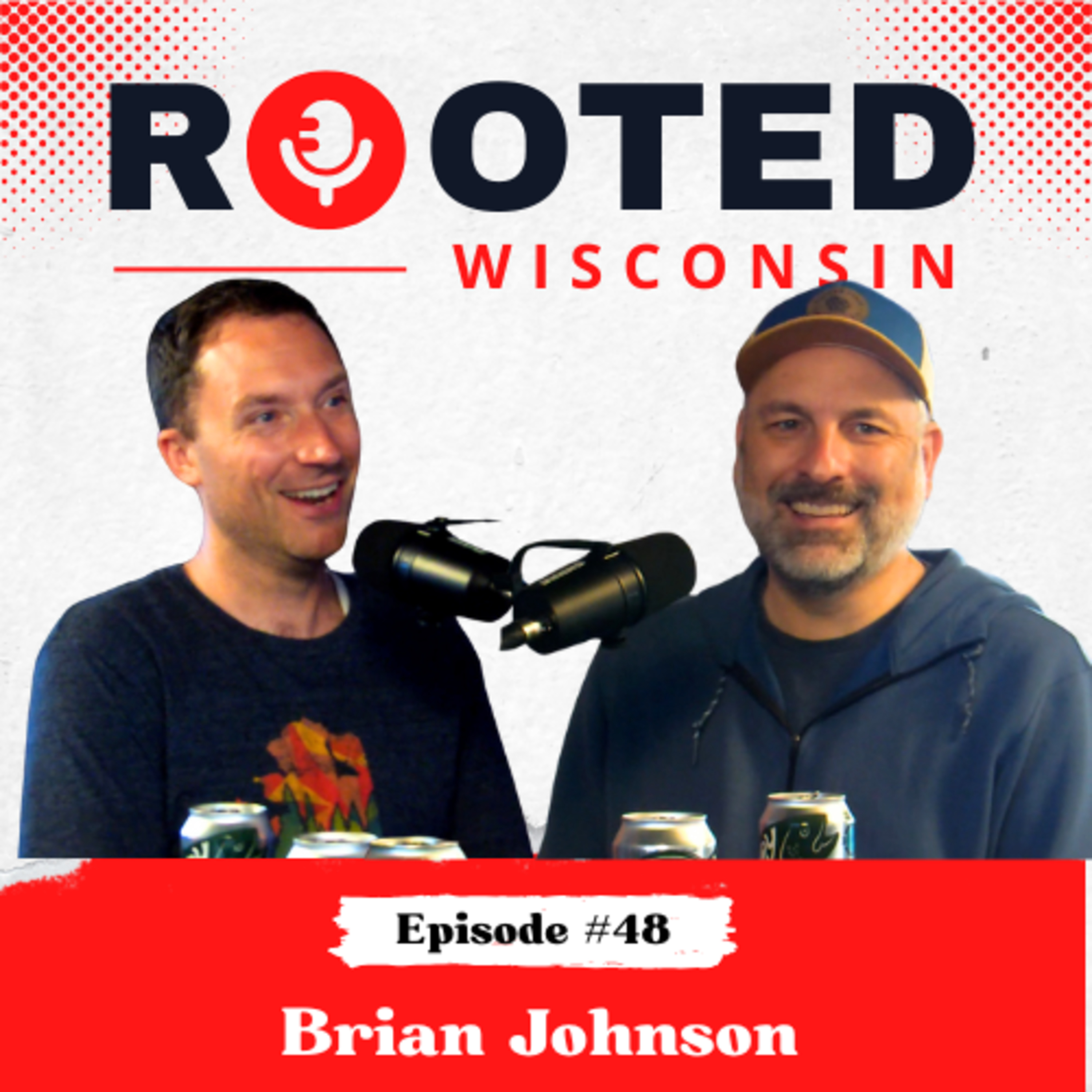


Brian Johnson is the President and CEO of On Broadway, Inc. in Green Bay and an Alderman representing Green Bay's 9th District. After graduation from UW-Madison with a degree in Political Science, Brian's dream of becoming a member of Congress shifted to being an entrepreneur. After a stint in contracting, he spent 7 years as a business owner before selling and beginning work for the Green Bay Chamber. Then, in 2016, Brian became the leader of On Broadway, Inc., a position he still holds. Then, in 2018, an unsuccessful deal to bring a baseball stadium to downtown Green Bay motivated him to run for public office, ultimately winning the job of representing the constituents of the 9th District of Green Bay.
In this episode Brian and Brad discussion the Green Bay Public Market coming to the Broadway District in Green Bay, his history and interest in politics, the importance of locally owned business to the identity and culture of a city, the bootstraps mentality, and his passion for bolstering community.
https://www.linkedin.com/in/brianhenryjohnson/
https://downtowngreenbay.com/go/on-broadway-inc
As always a HUGE shoutout to our sponsor at Riverside Pizza. They keep these coming. If you dig it, make sure to support them!
https://riverside-pizzeria.com/
0:00 What's up, friends, Welcome back to Routed Wisconsin. Appreciate you for clicking another episode. Appreciate you for being you. Excited to drop today's episode with Brian Johnson from On Broadway Inc in Green Bay and local Alderman. And I have a story to kick us off that I think encapsulates Brian and who he is. He accepted the interview to come on Routed Wisconsin without knowing that I didn't have an affiliation with his predecessor. Prior to him in his Alderman role was Guy Zima. And if you are familiar with the historical activity of local Green Bay politics, pretty polarizing figure in local politics and our last names are spelled the same. But for those of you who don't know, my name is Brad Zima and Brian accepted coming on the podcast without knowing that if there was a connection or not.
0:50 He didn't even ask any questions about it. And I didn't think twice about it until afterwards. We were chatting after the our conversation. So I think that encapsulates who Brian is. He's open to the conversation. Local politics is a tough space and he handles it well. And I'm excited to share our conversation about that and much more. We talked about the Green Bay public market coming to Green Bay, which is super exciting. His history in local politics. He actually thought he was going to be in Congress. That was his goal when he got a Poly sci degree, ended up going some different directions, was an entrepreneur, sold a business. We talked about all that and much more. The importance of local businesses, locally owned businesses to a community and adapt or die mentality. Of course, not literal death, but think of it through a business lens for the most part and his passion for bolstering his community and much, much more. Excited to share it with you.
1:45 Appreciate you coming along. Shout out to our sponsors at Riverside Pizzeria in Ashwabanon. Stop by Ryan and the entire fantastic crew for an awesome pie and support a great local business. Enjoy the episode Brian Johnson. So have the ways we try to lift our neighbors. Where did the love go, Where did the talk? And we need to help to make this, I think, an awesome place to start.
2:27 Today we'll get to a lot of your story. I reached out specifically immediately after a LinkedIn post you made a while back that captivated me. But first, I think the the buzz is around the Green Bay Public Market, right? Like when by the time this airs, it'll probably be old hat, right? Everybody will know. But what I was interested to know what's what's the overarching vision of it five years from now? What do you see the Green Bay Public Market being to the community and the folks that live here? Well, look, when we kind of started this process, it wasn't, we didn't go into it saying, Hey, we're going to open a public market, right? It it was really taking a look in my role with on Broadway and, and you want to build successful downtowns and what does successful downtowns have? They have amenities that attract people. And you know, in the city of Green Bay, you have multiple nodes that are emerging.
3:19 You obviously have the title town district in Lambeau Field. You have what's going on at UWGB. And so downtown needs to differentiate itself. And, and so we started brainstorming some alternatives in terms of amenities, right, that could, that could attract volumes of people. We, we had the shipyard that was originally proposed to be the Green Bay Bullfrogs Stadium. And, and, and we all know kind of how that ended. And that's actually what inspired me to run for public office, which is another story. But the, you know, so we kind of sat down, we really said, Hey, what, what could be that next thing. And, you know, we visit a few public markets. We love the one in Milwaukee. And that really kind of put us on a journey to visit a whole lot more. We've, I, I mean, I've personally visit over 50 to 60 different public markets across the world. We met with a few aquarium operators, interestingly. And you know, because they're, they're popular in other places. You think about the Shedd Aquarium in Chicago, it's three hours away, right?
4:16 So I mean, you've got Discovery World in, in Milwaukee, you know, but that's kind of limited in in, in scope, you know, but just we still really do in the analysis, right, the cost per visitor and how what we'd have to raise for an aquarium was just it was pretty substantial. So, so again, we looked at some other options, right, other types of stadiums and different things, and we just ultimately settled on the public market being the thing that price per visitor, right, would have the biggest bang for the buck here in in downtown Green Bay. So that's kind of how we landed here. Yeah. And you know, I think it's going to add, I, I, I look at things from the grandiose creative side of things like what does it bring to the culture of a city?
4:58 And I think it's going to do a lot for that. Like we see, I was, I had a cool conversation yesterday about how busy our, our markets are, like our local markets. It seems like within the past what, 5-7 years? Like everybody started a market and they all are packed every single time. When it's the number of calls we get from folks throughout the region who are familiar with our farmers market on Broadway, which it's 2022 years old maybe I think this year that attracts almost a quarter of a million visitors every year. And, and people just wanted to recreate it. And, and I love that, right. Like it's, it's about supporting the entrepreneurs and and small business owners. In our case, it was a place for monk farmers really to get their start because they weren't able to get into the traditional Saturday market.
5:43 It was it was full. And so there were some folks who came together who really wanted to create an outlet for those individuals. And what started as 10 vendors now has grown into over 100 vendors every week. And but more importantly, the number of visitors that come out right. And that's what kind of drove a little bit that this this vision, right? How do you go from a pop up weekly market in the summer? It's just something that can be here year round and also recognizing some of the needs of the neighborhood. It's one of the city's lowest income census tracts. It is a USDA designated food desert. And and we, you know, so of course we talked about visitors, but we also saw an opportunity to address some of those other community needs and you know, by bringing in some of the products that save a lot who's there doesn't offer, right.
6:28 So compliment them, not compete with them. And and that's really kind of what we're trying to achieve. Yeah, absolutely. And it does it well. And I, I think one of the cool parts, just as a citizen member walking around is like you, you see, you'll see a a hoodie from Seymour and you'll see something from Hilbert and Luxembourg, whatever, like people come from the out ranges to enjoy it. Yeah, we use, you know, there's a number of software platforms out there, of course, but Placer AI, it, it uses your cell phone, it, it pings, right. And so it, it gives us some really good data that shows us where people are coming from. It helps us more accurately predict the number of attendees at the event, how long they stay, where they come from, where they're going to, that's all in aggregate, right.
7:14 So we'll, we'll know if they came from home, but I won't know if you came from home, if that makes sense. So but the, the data trends are amazing. And, and then you can see, OK, if our market was the first stop and then people went somewhere after, and then you can start to calculate some of that economic impact. That's so with that and people to your point, they're coming from all over on the farmers market and it's just, it's really cool to see, yeah. Did they grab a bite or did they stop at this gas station? Exactly right. Absolutely. I can't let it pass. So the good Segway you started public office because of the Green Bay Bullfrog Stadium? What's the story? Yeah, it's in my my roll a thon Broadway, right.
7:55 I've been working with the owners of the the Bullfrogs for about a year on building on what is now the shipyard site. And they, as you know, they, they wanted to build a stadium as part of that. Mark Skogan had come out and wanted to build a concert venue there, and Doozies had proposed to build a restaurant. And, you know, at the time the City Council was negotiating essentially like the city would have built the stadium, the Bullfrogs would have been a tenant. And, you know, things it just dragged out for four years. For four years, the bullfrogs, you know, tried to get in, get this deal done. And there's an old saying in development time kills all deals. And this is this was a deal killer. And it got to the point where in one meeting, certain member of City Council was negotiating the price of hot dogs. And and it's just beyond what we need to be right. And and so, and I think it misses the trees for the forest. And, and, you know, so we, I remember the owner came into my office one morning and he said, look, Brian, we appreciate everything you've done for us.
8:58 Wanted to pay you the courtesy in person to let you know that we're going to have a press conference later today to announce we're moving to Schwabenon. He said we've been doing this for four years. Green Bay hasn't been able to get it done. And, and he referenced my predecessor. He said, if it wasn't for this person, we'd be playing baseball in Green Bay. And, and you know, that was kind of the moment when I said, OK, I, I've been trying, I love local politics. I've been trying to get folks to run for office. I think every seat should be contested. And, and it finally, I couldn't get anyone for, for the district that I lived in, right. So it was one of those things where I said, OK, if, if, you know, I'm asking other people to do this and if I'm not willing to put my name on the ballot while I'm asking other people to do it, you know, what am I doing here?
9:42 So, so, but that moment when I knew that the negotiations installed really because of the struggles with the current makeup of council, you know, I said I'm going to put my hat in the ring and we'll see where it goes. Yeah. Here we are seven years later. Nice think about how how seemingly or or think about how different society could be if a lot more people said I love local politics. Like even uttering that phrase means something. Well, it it, you know, tip O'Neill, former Speaker of the House is, is often quoted as saying all politics is local. And it's so true, right. When the rubber meets the road, you know, are folks really talking about, you know, AD Ukraine?
10:23 Certainly there's a portion of folks that talk about that. But the reality is what people are most concerned about is if the pothole got filled or if their garbage got picked up or their neighbor's fence is leaning over their yard. You know, those are the kind of things that that are kitchen table topics that that, you know, people often times want to talk about. And that's what we do. We solve those problems. Sometimes it's constituent services where you're helping them get connected to the right people at City Hall and, and, and sometimes it's obviously advancing bigger ideas like like development within the city of Green Bay. And sometimes it's just modifying old policies and ordinances that are out of date, right, to make them more relevant. So working with people at the local level though, has just been the joy of my life. Yeah, yeah.
11:06 And recently we had a guest on that talked about positively impacting your communities from the ground up. And he co-authored, he's a, he's a progressive. He co-authored a book with a conservative and they both talked about the same topic, about how they could come together. Because you know, you when you think about the conversations that happen when it's not somebody that's immediately close to you. A lot of times it's news, national headlines that drive the you know, they do Ukraine stuff that you said. But I think there's a lot more space for the other ones the oh, you know, what is happening to this area of the city or have you ever considered for running this for this office or something like that? And I don't know, it's an interesting thing to think about.
11:48 We're in a place where a lot of people are timid of that at times, rightfully so, right? There's a lot of risk to even career and stuff. And when you think about, you know, the amount of families that are hanging on to their house on a week by week paycheck, are you going to stick your neck out and say, I think this should happen right here? There's a lot of valor in that, man. Well, now you're absolutely right. And and they're even sometimes, you know, I'm in a very public facing job as well, my full time job, right. And sometimes decisions I make on City Council create challenges for me with my full time job. And you know, but at the end of the day, I'm always going to do what's right and and you know what I perceive to be right based on the feedback I get from the folks I represent.
12:30 The, you know, the reality is though, I think a lot of people, sometimes people get sometimes enabled, right, with, with what they see or perceive to be local government, right. And they're like, Oh, I get to be on the news or I get to, you know, be the smiling face at this ribbon cutting, whatever it might be. The reality is behind the scenes, it could be a lot of tense conversations. You get yelled at a lot. You get, you get angry emails because you're getting people in their most vulnerable moment. And, and and I've always said you just you have to listen and understand where they're coming from because they're frustrated with something, they've been harmed by something, right? And that's, that's the job you're actually running for. It's not to be in front of the news camera. It's, it's to help this person. And you have to give them the time and the space to be angry. And then and then, you know, OK, now here's what we're going to do to solve the problem and whether it's engaging the right department.
13:21 Like I said, might be changing the law, could be a number of things. But yeah, it's not always, not always stars and rainbows. And I've said they've some doozies over the years, you know, some emails and voicemails, you know, just for posterity, you know, someday maybe go back and write a book. But some fun stuff out there. I bet, I bet. But from a marketing lens, like me looking at a marketing angle, that person that reaches out to is motivated. They're motivated to do something. They were motivated to call you. They might be pissed at you at the moment, but they they were motivated to call you. And motivated people change things and act on things. Even if it starts with making a phone call, it can be a next volunteer for an organization saying, hey, this is how we can positively impact it.
14:05 We'll give you the tools. Do you want to spread the word? Yeah, type thing. Well, in, in, in, in a way, right, You have to be a little bit of a chameleon when you're, you're elected because I, I have passions and interests, right? But what that person's calling me about could be something I have no knowledge of, right? Like it's, I think about a local ordinance that we had adopted around massage parlors, right? So local massage ordinance, it was really to try to disrupt sex trafficking in our community. That was the intent. You have to understand the downstream effects around folks who are legitimate licensed masseuses, right? And, and the impact that this has on them and their business. But boy, the first time I ever got a call, right?
14:46 Like this is a problem in our neighborhood and, you know, we need this address. And I don't know a darn thing about massage licensing. You know, so you have to become an expert and be a chameleon and adapt and, and learn, you know, in that environment and become just as passionate about that topic as the person that's calling you because that doesn't always come out organically. That's a good segue. And one thing I wanted to talk about today, just your career trajectory in general. After you made the LinkedIn post, I kind of checked out where you'd been graduated on undergrad, looked like did sales for a couple years, but then started a landscape scaping company and then moved to the chamber, right? So how did your path come to light there? Like Speaking of diverse interests and being able to pivot and do other things I like? I'm of a similar vein I have.
15:38 My interests have wavered and changed throughout the years and I've followed him and chased my passions. That interested me immediately. How has that developed? Yeah, I mean, gosh, I, you know, I was a first generation college student in like a lot of us, you, you go to school and you don't know what the heck you're doing. I started out as a math major because I, I liked math and ended up, you know, I started out at University of Wisconsin Manitowoc, which is now, of course under the UW Green Bay umbrella. And I, I ran out of math courses and, and I started taking poli sci and history courses and just really fell in love with the subject. And when I transferred to Madison, I, I changed my major to political science. And the idea was, you know, gosh, I like politics. It's, it's fun, It's interesting. You know, I'm gonna, I'm gonna run for Congress someday. And 50% of the people in Congress have a political science degree or, excuse me, a law degree. So, so my, my brain was working in such a way where if I'm gonna get to Congress, right, I need to get a poli sci degree, go to law school and then run for Congress. And of course, now Congress is probably the last place I'd ever want to be, you know, and that's how life changes, right? But I, I sort of ultimately decided not even go to law school.
16:52 Shirley Abramson, who was the Chief Justice at the time, really drilled me. I, I was the vice president of the pre Law Society in Madison. And, you know, so we had that access and, and, you know, it really drilled me and like, this is what lawyers do. Is this what you want to do? Do you want to be this person that does this or that? Do you care about this subject? And I'm like, oh man, and she did exactly what she should do, just talked me out of something I probably was not prepared for. And so here I am, right, with a poli sci degree coming out of Madison. What the heck do you do with that if you're not going to law school? Well, a friend of mine calls and says, Hey, why don't you come work for my company? He ran a home building construction company that I worked at in the summers. Right. So I was roofing siding, you know, it's all the things I didn't know how to do but was getting paid to do.
17:38 And I still look back and wonder how on earth that guy ever made money, right. First day in the job, he puts me on a roof and says tear it off and put on a new one. And I'm like, well, what do I do? And he just, I don't know, you'll figure it out. And he leaves and, and I'm, you know, scared out of my mind being on a roof, you know, I have no idea what a hammer is. And, but somehow I got to figure out how to tear off this roof. And, and, and so when I graduated from college, it's the same guy, right? He calls me up. Why don't you come work and work for us, help us figure out the office side. Their business was growing. I said, all right, well, I worked a few summers for you. Clearly I'm an expert in construction now and, and so, so I took over the office. So I for three years I served as the general manager of his business and you know, figured out QuickBooks. It's where I got to learn accounting and, and do some other things and the business side of stuff, insurance and helped with sales a little bit, did a lot of things there. One of the things we observed at the time was, gosh, there's a need for more landscaping services in the community where I was from Manitowoc.
18:39 And so me and another one of the business partners there, we brought in a third partner. So we're going to start a landscaping business. No idea what I'm doing, right? It's what everybody in their 20s does. And so we did that for seven years. We had a partnership for the first 3. And like a lot of partnerships, right? You fail to put the plan together on the front end like everybody tells you to do. And no, we're different and of course we're not. And and so it just kind of came to this moment where the three of us got together. All right, guys, this isn't working, right? Something's gotta change, you know, either I'll go, you guys can go. And both of them said we're out. Yeah. Because, you know, it was a, a business that had actually accumulated quite a bit of debt. And and so for me, it just became like a, a thing of determination, right. I, I'm not gonna leave local vendors hanging right, with debt.
19:28 And, and so I worked really hard for the next four years to build that business, to pay off all that debt. And then I'm like, alright, I, what am I doing in landscaping? I don't like this. And so I sold the business. And, but while I was doing that, I was also volunteering for my community and I started the young professionals group in Manitowoc, which was called sale. And then the job became available at the Chamber in Green Bay to hire a young professionals and career education program manager. So applied for it, got the job. And I remember, gosh, my landscaping business, we did snow removal in the winter and I didn't sell the business right away. So I would go to work, you know, I'd have to commute right from Manitowoc, 45 minutes, go to work all day at the Chamber, sometimes into the evening with events, have to go home at night because there's a snowstorm.
20:14 I would plow snow all night long, never get any sleep and go back to work in Green Bay the very next day and do it all over again the next night. Because you have clean up work to do after a big snowstorm. And those are, those are a hard six months. But character building, character defining. And then I, yeah, worked at the chamber for 10 years. So the connection to the chamber was really less about the business that you saw, right. It was more about the volunteer work that led to the full time job. And then of course, 10 years of experience at the chamber then let me do on Broadway. I spent some time in the UW system as well, a little bit of time working as a student activities coordinator on an interim basis, which was really fun. And, you know, kind of work with your students in it.
20:56 I was so involved in in student government while I was in college that when they needed someone, they just called me up, said, hey, you used to do this as a student, I bet you could do it as an employee. And so I did that, did that for about a year as well. OK. And like at that time, did you, as you were selling the business and starting the new one, did it start to kind of come alive that, oh, this might actually be where my passion is and connected to those things that you had loved doing previously that maybe you weren't 'cause there's probably a reason you sold it right there. There's, we all like doing different things. And did did that connection click or was it just the next step that happened to work? You know what I mean? Yeah.
21:37 You know, running a a business that's undercapitalized and that you don't have a great passion for it's that's tough. And so I, I think for me getting, but I, I really like the creative side of running a business, right? And, and trying different things. And so I think for me, that transition to the chamber allowed me to still be an entrepreneur, but do it within an organization, right? It's just often times referred to as an intrapreneur. And, and the chamber gave me a lot of latitude, right, to take a program and build it and be creative and, and just be impactful and, and, you know, achieve these outcomes. So I think for me, the transition was a little bit different, right, because you go from being the boss and making your own decisions to having to do what you're told. But they also gave me a lot of latitude to express those entrepreneurial skills and talents that I had in a way that helped them grow programs and quite frankly, some of the most impactful programs they had at the time. And talk about a huge gap between being the boss of everything to something like that, where everybody else is the boss of you.
22:41 It's not just like you're working for somebody else, like every everybody's your boss. Well, yeah, I mean, I had a, a direct supervisor. You have their supervisor, every chamber member in a way is your boss. That's what I mean, you know, but you, you boy, for 10 years, I, I worked there and you meet a lot of people. You learn a ton about your community, the amazing people that make it up, the things, when you go into these businesses right across our region, the things that they do, it's, it's, it's amazing. And I just, there's so many great stories there, I think that don't get told because businesses are so focused on their business and they want to tell their story to their customers, but their customers could be nationwide, right? So you don't always hear it locally. And there's some pretty remarkable things. I mean, I think one of the, gosh, I think of coding excellence in Wrightstown, First time I took a tour of that place and that little pink sweet and low packets. And this was at the time.
23:33 So it's been a while, right? But they printed 2 billion a month in Wrightstown, Wisconsin. So anytime you take a sweet and low packet, right, that paper product was printed right here and all over the world, right? And I thought, gosh, this is so cool. And, and, you know, there's a lot of stories like that out there. So many actually one relevant that I just heard recently from on Broadway. I was talking to Chris and he he got an order for a copious amount of his caramels. Like it's a small part of his business. He puts together those nice little caramel boxes and gives them to people. But he he got an order and we crunched the numbers. The other. He crunched the numbers in front of me the other day and it was something like if he kept at the same scale he was at now, It was like, what was it? It was like 45 days of 10 hour days of making caramels before November.
24:22 Yeah, Yeah. It's just. So did. He say. Did he say where the order came from? He did, but I'm drawing a blank on it right now. But it was a it was a company that does gift baskets for their Wisconsin employees and his caramels were going to be one of the add insurance for the gift baskets. But like 45 days of caramels at 10 hours a day when he runs three through 5, like that's the gig it's. Yeah, we, we, we ordered them this past year too, right? Where we gave them away as gifts to the businesses in our district because, because to your point, it, it's not his primary business and he flies under the radar a little bit that he does these amazing caramels and, and, and I even had to message him. I'm like, do you still do this?
25:05 He's like, yeah, I say, OK, perfect, 'cause we're going to order some. And it, it's always interesting to me, right? Like how you get an experience like that and how it can domino effect, right? And so he, he gets this huge order. Where did that come from? Right. Nobody knows. Well, he probably does, but you know, somebody along the way knew about him, knew about, had the product as a sample, whatever it is, right? And so just the power of persistence and being present and, you know, kind of making sure your product's always out there and eventually someone's going to grab onto it and, and get a windfall. Yeah, the persistence thing, I mean, that screamed through your story and that's one of the common themes. So I like to talk about that specific thing. Like these for? Are these for consumption? Yes, please go ahead. I saw you crack one open. Absolutely.
25:46 I was feeling left out. Yeah, so NA hoppy water perfect from Badger State Brewing. Cheers, cheers. Thank you for. Coming. I have a couple of employee reviews to give later this afternoon, so I'm glad this is not beer. Yes. Yeah, that was a that it's a large part of it. So I, I don't, I stopped drinking alcohol seven years ago, something like that. And I'm always, I love where the industry is going because I'm getting so many more options. And I recently had some cool conversations with Badger State, and this is just something right up my alley. Look, as you, you probably know then, right, a few years ago, micro brews nationwide hit their their highest peak ever, right? And, and that's not sustainable. And, and you've started already to see that consolidation.
26:29 And, but what I love about it, to your point, right, products like, you know, whether it's White Claw, Carbola, stuff like that, right? They, they cut into that, that craft beer market. And what I love is when I see breweries react to that, right? They're like, you know what, we're not going to be a victim of, you know, of, of competition. And so when they do water, you've seen some of them do some of the seltzers, right? Local breweries that come up with that. And I just, I love how they're adapting to be competitive because they're great businesses, great people, great owners. You want to see them succeed long term and. Yeah, you have to, you have to adapt or die. I mean, you have to and they're they'll always have their market. It's not going to go away. But you're right, it's going to compress, especially with what the younger demographics are choosing to do around alcohol is so positive I think to see in so many ways and it can all fit together cohesively like 100.
27:24 Percent. Yeah, you can have people that are going to love it. You know, in all actuality of the of the alcohol industry, the craft brew industry has always, I think been relatively positive. It's not like people don't go to a craft brewery to drink 17 and you know, like do the bad things that come with alcohol. They literally like they truly enjoy it. So my wife's really excited about the Badger State conversations because she loves beer. She like loves different kind of beers with different types of foods and Badger State some of her favorite. So she loves the whole vibe around it. And then this, something like this just makes it so much easier for us to where I can like grab something that's cool.
28:04 I'm a carbonated water person. I love it so it it fits, but I love where the industry's going and I love the back to the original point where you're talking about no good. I go down a lot of rabbit holes so I get. I love it. We'll end up in some weird places today because I do the same thing, but like to circle it in about adapt or die. That concept rings through through anything, right? Like you have to do that as an Alderman. You have to do that with on Broadway, and we do it every day as humans trying to figure out what the next step is. You know, and sometimes it's OK to die, not literally, right, but but knowing when you've sort of exhausted the value that you can offer to something, it's knowing when to quit and and that's an OK thing.
28:48 And because you can just sort of sometimes recharge and re channel that energy into the next the next opportunity. Right. Identifying that's incredibly hard, yeah. Change is hard for everybody, right? And I think that's the hardest part. It's it's a change disruptor and you know, the path of Lisa's distance is what humans do. It's what we want. It's the easiest thing, you know, for us to understand. And so when you kind of end up in a situation where you have to intentionally choose to disrupt something that's comfortable for you, that that is hard. Most change happens when it's forced upon people, right? And it's truly those folks that know how to intentionally go in and disrupt and change and be comfortable with that.
29:29 To me, where are the ones that often times you see that are, are your change makers in a way that, you know, are the ones being talked about, right? They're on the news, they're in print, they're wherever because they're doing something unique and bold and, and, you know, making people uncomfortable, which by the way, means you're going to make a few enemies along the way, right? Because people don't like to be disrupted. And, and that's hard. And it doesn't mean they're bad people, right? It's just, I love the old saying from Henry Ford. If I'd have asked the people what they wanted, they would have said a faster horse, right? And it's, you know, so understanding that, hey, the change is, is going to be uncomfortable, but boy, it can be, you know, it can be totally transformative in terms of the way that you live your life and experience, experience it. Absolutely, Yeah.
30:16 Change management's so important. Actually, the previous guest I was talking about who wrote the book built a career on community activism and change. He had a cool story where he fought for accessibility on public transportation in Philadelphia. And like, sure, maybe the people that work for the bus company were like, this is going to cost us a lot of money and got a ton of pushback. But look at look at the positive that comes out of it. And you know what, some of those enemies end up wrapping around back to be friends once they see what the end outcome is, you know? I see this in politics all the time, right where you'll pitch an idea. I could offer an example. I won't because then I'll yeah, of the persecuting those involved. But it, it's, you know, where you, you sort of pitch an idea and it's just people get entrenched, right? And they resist and they, they hate the idea. And as things progress and then all of a sudden they're the first in line, right, to be like, I love this. I, you know, I was part of this.
31:09 And to me, that's always a great accomplishment when you can flip someone from, you know, being resistant to the idea to someone who's really embracing it and advocating for it. And then it's so important to be the person that has your arms open and welcomes back as opposed to the other side, which is the I told you so, you know, like. Yeah, yeah. Look, I think all of us probably have that urge right inside to want to do that. And I'd be lying if I said I never did it. You know, it can be gratifying for a short period of time, but long term probably an unhealthy habit. Yeah, yeah. Especially if you need to build allies. Yeah, it's OK to feel it, feel it, harness it and then use it as motivation for your next project. You know, kind of along that line, an interesting thing we could chat about today is you, your position with on Broadway, you probably hold a lot of pseudo roles with your partners, right, And the businesses that are in your district and they, it probably comes in a diverse blend of different ways. That sounds fascinating to me and really fun. Is that the case or is it more stress than that? It's both.
32:16 Yeah, it is, you know, and when I first started, you know, the district was half the size that it is, and not by geographic size, you know, but by the number of businesses in the district. And you know, the rail yard area in particular has seen tremendous growth in terms of new spaces, right, New developments brought in new businesses. And and so the demands on the job have have changed quite a bit. And sometimes people will benchmark you or compare you right, to predecessors. That happens all the time. That's fine, you know, but it's like, well, you know, so and so did this or did that, you know, OK, But our workload has changed and it's just fundamentally different. And you know, when you have right now or right around 150 businesses in the district, you have 100 different properties.
33:05 Now some of those property owners are redundant, right? They could be the business owner as well. But then you're working with sponsors, you're working with vendors in your events. We obviously have a larger staff now that we did many years ago. It's a lot of personalities, board members and volunteers, committee members who all have an idea, you know, of, of what to do. And we do our best right to try to honor and deliver on some of that. One of the things I, you know, was part of our core values when I started and it still remains there today. And it, it's a topic. I, I, I love the statement. It's like we manage a lot of emotions and, and the idea is that you always have to maintain your composure, listen to people and, and understand that they're coming from, you know, different perspective.
33:52 And it's not a wrong perspective, it's just different. And you know, when you're managing emotions, that's a challenging spot to be in. And I think back to, and this was before my time, but when Walmart had proposed right to come and do to on Broadway. And just the level of emotion that sparked with the business owners, property owners, people in our community to build a Walmart Supercenter in the core of your downtown, right? That I mean, one that's just bad urban design, you know, but it's, but you had a lot of emotions that were charged up around that issue. And that's not easy to manage. It's not easy to handle, but I always find that when you over communicate, you explain the why, you explain the how. People, even if they don't agree with you, will feel better about it because they feel like you took the time to listen.
34:39 And then you know when you can explain it back and they feel like you've like articulated something that they were believing and then they're like, OK, he really did listen, right? He's not just, it's not just platitudes. Fascinating. So that that actually happened like Walmart advocated or like requested to build a spot. Where the railyard is right. So, you know, that was a split council vote if I recall again before my time, right. But I think the mayor, actually Mayor Schmidt cast the tie breaking vote on that, you know, but that the city had owned that land and, you know, could have been a Walmart Supercenter with a very large blacktop parking lot instead of what you see down there now, which is, you know, 400 residential units, restored warehouses that have just beautiful office space with roughly 60 different businesses, you know, in that space.
35:31 A lot of really cool shot you think of like Voyagers bake house, you know, and, and, and the crate place that just opened, which is delicious, by the way, nice wedding dress shop, right? So you see a lot of sort of that retail type of activation as well along that street. I mean, that's, that's the stuff that makes downtowns, you know, where people talk about it. They don't talk about how they visited a Walmart Supercenter in your downtown. You know, they talk about all of these other unique experiences. Now, for the record, like a Walmart Supercenter has its place, right? That it, it, it, it serves a very important need for a community. I think at the time, though, the leadership just felt that there was probably a better place for it and that, you know, they they prioritize sort of preserving and protecting the integrity of, of downtown. Yeah, and the integrity of your community, like you're right, it does have, it does have an important place in, you know, the things we need and the things your community members buy.
36:29 But boy, like I, I hear that as the layperson who didn't even know what happened. And I'm like, man, that would have been a travesty if it was. Yeah, And it would have knocked down all those old warehouse buildings that are there right now, right? They're beautifully restored. And again, when people think of downtowns, you think of density, you think of walkability, public art, right? It's really great book Walkable City that talks about if, if you want to have an active downtown, you have to make the walk interesting and walking past empty parking lots, even full parking lots. It's just parking lots, period. That's not interesting. It's it's it's a utility need, right? You have to provide parking in some capacity for your downtown, but it should be an afterthought. You know, you can't.
37:16 I mean, nobody goes downtown so that they can park. They go downtown because they're going to something, an amenity, a show, an event, right? So it's really making sure that you're creating a downtown that's, you know, desirable and and doesn't have all these disruptions within its streetscape. Absolutely. And that is the foundation of this thing. Like, I'm, I can't remember where the content even came from, if it was a show or if it was just me ranting recently. But I I this narrative we get constantly, especially through the lens of pro sports of like nothing to do in Wisconsin. Yeah, can't stand it. And that's the foundation of it, right? The foundation of it is like, we see these things. We see these things developing and it exists and it's going to continue to get better because of like decisions you're making and.
38:02 And knowledge of this, and I can't agree more, like that is why that's what they're talking about. There's plenty of stuff to do here and let's put, you know, some effort and intention around it as the person who says that and said like, go visit. Like. Go take a walk around and see what's next and maybe like if you're an entrepreneur. What could you do? Well, part of that for, you know what we do try to spark that interest, right? You know, I always used to joke that you, you have folks in our community who are making decisions for a city who had never even left the city. And there's a whole world out there and there's some amazing things to see. And you know what? There's amazing things in Green Bay. And sometimes marrying a couple of ideas can make us even better and stronger. And that's why I love to travel.
38:45 It's, it's one of my core passions and I love taking these ideas back to Green Bay and figuring out how to implement them. You know, my, my girlfriend always just makes she, she started taking photos of me taking photos of things. And she's convinced she's going to build this album of me just taking photos, right? Because I'll be like, Oh my gosh, look at this parking meter and how they set this up or look at how they put this dumpster into this space and it made this walk, you know, more interesting. And, you know, so I tend to look at a lot of these things that disrupt streetscapes and, and figure out how we can conceal them or, you know, because they're, you need some of these things. You can't just not, not have them like parking or a dumpster, right? But how do you make them less obvious, but still serve their purpose and, and allow you to bring in some of these other things?
39:28 And part of that is looking at unique businesses. And that's become one of my new favorite things. I'm not a big shopper, but I understand the importance of retail to downtown. And it's one of the things I still maintain that we struggle with a little bit in Green Bay. And, and I think we need more retail density in our downtown. Part of that is we need more spaces, but also we need more support networks for our entrepreneurs so that, you know, you're not just pushing them off a Cliff and seeing if they can fly. And, and so I love visiting businesses when I go to other communities and talking to them. How did you get the capital to start? Is this your one and only location or do you have others you know? Like do you sell? Products online are you sort of an Omni channel, you know, type of sales, production and, and you really start to get to know the businesses and then you can take that knowledge back and be like, hey, I visited this business in cities.
40:16 So and so I think it could work here. And then sometimes you just find the person who's an entrepreneur, right, who, who doesn't care what they do. They just want to be creative and be an entrepreneur and you, you, you plant the seed and watch it grow. Absolutely, Yeah. So while you were talking there about the walkability thing, I had a vivid cross. I went on a bike ride earlier this week and by the coal piles that are soon to be moved, we'll talk about that in a second. But under that overpass, there are all those cool paintings that for the first time ever, I ride my bike through there all the time. It's, it's part of like my normal bike ride I do. But earlier in the day I was with my son across the river and I looked across and I saw a bunch of people walking on the river by the coal piles.
41:00 And I had never been there. So later in the day I went on my own bike ride and rode through there. And I never noticed any of that art that was there under all of that, under that overpass. And that's just a prime example of that, of something that, you know, now the cold piles are getting moved. I want to talk about that in a second. But aesthetically unpleasing, right? Like a big overpass going through that you can park under and stuff. But turned it into just like the first time I had ever noticed riding my bike through. They're like, cool art. And it got my mind thinking, like, who painted this? Why did it happen? Like, this is awesome. Yeah. Type stuff. Well, there's a couple things, right. So we, that area within the city to me has been one of the most neglected, right, in terms of disinvestment, I would call it.
41:45 And in the last few years it's been a real high priority area for me in my City Council position. And that area has seen more investment than any other part of the city of Green Bay. And it hasn't happened overnight, right. This is for seven years we've been working on this and there is a whole lot more to come. And part of it is because there was sort of this untapped potential there, right? You've got industrial uses that are sort of in your midtown and your downtown area there. Well, the city's grown up and evolved, right? So you have to figure out how to move some of those things, which is, you know, kind of tied back to the coal piles, but also recognizing where the public, where government can be a catalyst for change. And that's really what the bullfrogs were about, right? How do you get them on that site? The city owned the land.
42:29 They owned the land for 50 years, had done nothing with it. It was a challenging site. The private sector wasn't going to step in on that site, mostly because of the challenges it had. It was 6 feet below the floodplain. It had contamination. It actually used to house coal piles there, but you're surrounded by nothing but other industrial uses. So the city really had to come in and inspire change. And, and unfortunately, like I said, the the ship sailed with with the baseball stadium. But, you know, I got together at the time Jim Schmidt, who's mayor, and Kevin Vonk was the city's development director. And it was kind of, we need to do something else here. And, you know, that's where the shipyard was, was really born. That that concept, that idea.
43:09 You know, I love the shipyard. I still think it's a distant #2 you know, to what a baseball stadium would have done because a stadium it, it, it brings people in, right? It drives traffic automatically. Whereas the shipyard is going to have to be a little bit more intentional and, you know, and, and you're going to have to invest more time and effort into programming. What's the? Drop. Yeah, that can happen. I just think it's going to take more time and effort more, you know, in, in, you know, but it is a beautiful waterfront park, right? So if you if what you want is a waterfront park, right, it that that's perfect. That's what you do. So we have more things to do to really kind of focus on the programming. But how many years, right? We've been working on this projects take time because you have to get them site ready.
43:54 I mean, the dirt that we had to bring into there and then just let it settle for years, right? And then you have to deal with railroad tracks and industrial uses. You need to development agreements from private developers because it's the property taxes that they're contributing that we're paying for the shipyard. So if you pay for the shipyard first, right, you can see how you're, you know, so there's some creative things we had to do to make that happen. But boy, phase one of the shipyard is complete now. It is awesome. So if you've been down there and and rode around, it was really the perimeter, right? So think about the the dock walls, the boardwalk and some of that stuff. Phase two, we're designing right now and, and hopefully we can start construction on that later this year, maybe next year.
44:35 But that's going to include the interior. So think about the great lawn. There'll be a dog park, beer garden, there'll be like an adult playground area in urban beach, beach volleyball courts, right? So a lot of really cool things. And then now what? But because the City made this investment, private developers are taking interest. So you have merger of a development who wants to build 225 apartments right across the slip, right across the street. You've got another developer who's going to put in roughly 100 units, I think 93. But the city needs a new fire station. So we're going to put it in conjunction with that, right? So it's that street activation, there'll be some retail that goes along with that, right? And community development is a slow process, 20-30 years sometimes.
45:20 And and the pieces are falling into place in the murals that you talked about where our public arts coordinator at the time, Laura Sly, she I believe it was a National Endowment for the Arts grant because we are doing the shipyard that's going to be the short term parking solution. Like, we don't want people to just look at these huge, like, you know, underpass pillars. How do we brighten them up like many other cities have done? And but it costs money, right? You want to pay your artists a livable wage. And so this grant from the National Endowment for the Arts was submitted and secured. And it was, I believe it was 10 different artists. Our organization on Broadway worked with the city on, you know, reviewing all the applicants and selecting the artists and, and as you said, beautiful pieces of art from people all over the place.
46:07 So it's, I mean, our we, we've put in on Broadway, you know, 50 murals in the last five ish years. And it it there, there one, it supports your arts community, which is so critically important, right? You art is the thing that stands the test of time, right? What do we talk about 1000 years, the things that happened 1000 years ago, art and architecture and, and all the things, right, that the ancient Roman Empire had and you know, the Mona Lisa and all these things, right? So we need to invest in our artists because they make a beautiful community, an interesting community. And, and, and murals are one of those things where we were lacking art completely across the board, but they're probably the lowest barrier, right? So, so we invested in that.
46:52 Let's make a punch. Let's do it right away. And then, you know, we're starting to pivot now where we said, you know what, we've got 50 murals. What's the next thing? If we're going to take our public art funding, what's the next thing that we can do? And so we're going to see, you're going to see at least a series of maybe different implementations that will just kind of help, you know, spruce up, brighten up the Broadway District and make it more interesting. And it's always fun when it can come as part of projects like the shipyard, too. Yeah, still still in the brainstorming phase or anything you can tease out there that? Yeah. I mean, again, you don't we always joke in the nonprofit world it's, it's our our R&D RIP off and duplicate, right. So I mean, the reality is, I mean, how many, how many ideas and implementations are truly unique ideas, right? Not, not many.
47:35 And it's usually some type of variation of something that somebody did. And so and, and I think the well, the next thing we're going to be doing is we have a number of utility boxes in the district. They're unsightly. People graffiti them, right? So we're just going to put wraps on them. Military Ave. District did that too. And you know, they look really great. So another thing where we lose local artists to design, create the designs, but then we'll, you know, use someone who'll create the wrap because it just stands up a little bit better than paint, you know. So that'll be coming next. And the whole lot, a whole lot of other things we've got, you know, in our five year plan, but that'll be the next one because again, it's just low cost, right?
48:18 But it can have a nice punch, a nice impact. Yeah, I got a really cool new podcast intro for about 6 episodes now that would R&D Theo Vons intro pretty closely. But it's just 'cause you appreciate what they do, you know, like something done well and appreciate it is good. One thing you said in there though, I want to touch on a little bit. How is it with that slow feedback loop? You know, I in my, in my other job outside of here, I have a relatively slow feedback loop that I see human growth and development happen over a couple year period. And sometimes that's a little slow for me. I wish it would happen faster. How, how does your personality fit that slow feedback loop and how do you work with that when you're wanting to impact change but you know you have to resist in spots or restrain in spots, I should say, how do you work through it?
49:10 Well, I agree, right. It, it can be slow, but the, the pieces can be fast and you just have to break it up, right. And so for us, it's, it's, it's not that we come up with the idea and then force it on you, it's that we work with our community to drive those ideas. And then, you know, and then we package it, we bring it to our board, we get the support, we go find the funders or the donors, and then we implement, right. So that means you're breaking up that in pieces. So, you know, the initial piece is really going to be, you know, really working with sort of the community through community listening sessions, surveys, things of that nature. Like what do you want to see in your community? You know what, a lot of times they give you really great ideas you didn't think of. And so we don't have to come up with these ideas and implement them and then wait for people, you know, to tell us if they like it because it's what they told us they wanted, right? So you have to have the patience to to kind of go through the whole cycle and and you know, and that's kind of the deal with community work, right?
50:08 You have to talk to people because what I mean, communities are always better when they're organically develop in a way that the community is a participant, right? And it's in fact, one of the things that that's really cool. Next week I'm going to a training. We applied for a grant. We were one of six organizations in the country that were selected to receive this grant to really focus on capital absorption. Meaning when you have often times development in the community and developer comes in from out of the area and dictates the community what what they get based on what they can get for a rate of return, right? And so there are a couple of priorities that we have or we really want to see at the opposite. And it's how do you get the community mobilized around what they see is in need and then get the capital deployed in a way that that can make those changes happen. Now, the problem is that doesn't always create the rate of return, right that a private investor wants to see with their equity.
51:04 And So what we're doing to this grant program, it's funded by the Robert Wood Foundation nationally is how do you create the funding sources where folks aren't pursuing the rate of return, but they're, you know, they're they're pursuing community good, right? So it's now it could be real estate and infill development, which is actually one of our program goals. And the other one is creating a revolving loan fund for small businesses and entrepreneurs because they go to a bank and you know, a lot of times banks that loan is too small. You're you're you're too high of a risk profile, But it's the kind of business that would be just super cool to have in your downtown. So how do you get them that 10,020 thousand right? There are crowdfunding platforms that do it.
51:45 Well, if you don't have a customer base yet, that's really hard. So, you know, we really want to build a program where we're taking folks like Kiva as an example. And that's even a tool that we use right now. It's crowdfunded, you know, but it's where people are giving smaller amounts and saying, you know what, like I, I might lose this, right? I, I might, but more importantly, like, I want to make a loan to help improve our community because the community's saying that's what they need and it'll make our community better. You know, if, if we do that and my rate of return might not be the same as if I had it invested, you know, in an index fund somewhere. But I'm going to feel really good about it. And I know that I'm going to change someone's life because, you know, I helped the small business owner get to where they need to be because they had enough capital to do it.
52:29 Yeah, that's fascinating. So you're almost you're, you're providing the tools in a different way that you are analyzing not by dollars and cents, but by intention about how things are developed That's. Exactly right. And I think part of the problem to your point with that feedback loop, right, it's again, if, if community development is the spectrum, it's a process and you have to start with the community engagement. What often times happens with outside equity investment, if you have this spectrum, right, those folks come in like over here and they miss this whole part about community engagement. And you, you can't fault them for that, right? Their their job is to to turn make a return on investments. To make money, yeah.
53:09 And, and so you can't fault them for that. But what our role is, is a nonprofit organization to say, no, this, this section or this end of the spectrum is important and we're going to do it. And what happens right now a lot of times is organizations like ours all across the country, right? They'll do this piece, but then they get stuck. They get stuck because there's no money then to implement what the community said they wanted. So we have to figure out, OK, how do we get this capital that the private sector's putting in without community feedback, right? We've gotten the community feedback, but it may not generate that return to attract a private investor. So how do we find it differently, right, So that we can truly implement the things that the community's telling us they want?
53:52 Right. Yeah. And a lot of time it's, I mean, it could be, it still has to be driven by ROI, But if your community tells you they want it, then hopefully they support it, whatever it is. It has to be sustainable is what I would say. I don't think it's driven by ROI. Well, that's a good. Way to put it, yeah, yeah. So, so if it, it as an example, right, If you're a private developer, you come in and let's say you want a 10% cap rate on on your investment, right? That's the number. No, nobody's going to invest money into your deal if you can't guarantee that, right. So if it in, in, because what they'll do is they'll put the money in the stock market, right? They'll they'll put it elsewhere where they can get that return. Now nobody's going to give you money either. If you say, you know what, you give me money and we're going to do this, but you're not going to get your money back or you're going to get a negative return.
54:41 Well, that's just philanthropy then that's different. And, and so that's not the idea here, 'cause we, we already do philanthropy, right? But think of like if the neighborhood said, hey, we really need a hardware store, and we're like, yeah, that's great. But you know, the numbers, the demographics, the, the total number of residents, whatever isn't quite sufficient enough for them to make it and pay off a bank loan, you know, with a 6% interest rate. But what if we gave them a loan at 0% or 1% and now all of a sudden they can make that payment because they're not paying the extra interest, right? So that's the idea is they still have to be sustainable, but you want you want it so that they're not pursuing it right for the huge return and that, you know, you're providing the capital in a way that doesn't, doesn't require, you know what that lender might typically expect for them to say yes within their risk profile.
55:35 Yeah, absolutely. That's too, too good of a Segway for me to let go because I like I could talk about that all day that that whole conversation right there fascinates me. But you just gave too good of a Segway to not take advantage of. So from your LinkedIn post that I reached out to me. Hey, you keep references. And I don't know which one it. Is you don't know which one it is. So virtually you're talking about a hand up and not a help out or hand how? Oh boy, that's not going to be a sound bite. You're going to. Have to. Edit that. Yeah, hand up, not hand out. Yeah, your LinkedIn post about growing up and overcoming adversity and being, well, you referenced being a first generation college student earlier and stuff like that. The transparency and authenticity in that is what draws me into human connection.
56:28 So I had thought about having you on for quite some time. But I I remember vividly in that moment I was like, OK, got to reach out to Brian because I think I had sent you a LinkedIn message a couple months earlier. And then I got busy and and I didn't followed up. Yeah, but then I read that and that is what we need as a society, you know, and how, you know, you don't have to share your whole story or whatever it was. But I remember a couple pieces of it. One part was about you remembering as a child sitting in country kitchen. I think it was in the booth while your mom was working. And like, it's important to give that to our business members. It's awesome what you were just talking about.
57:10 But the segue into then the human side of life again and what a vibrant community can do to positively impact society, I think mirrors that that individually or personally, as you know. So that's the post I was talking about. I don't know how that leads into more conversation right now, but it was a, it was a great segue because it was a hand up, not a not a handout for businesses. And like you had a really poignant way about putting that how that positively impacted your life individually. Yeah, and it was it was a Mother's Day post and and it was really kind of acknowledging, gosh, you know, I mean, obviously the the endearment I have for my mother.
57:56 But you know, the The funny thing about life, and you alluded to it earlier, right? You don't always feel that way or always appreciate it in the moment. And boy, when I was a teenager, man, I was a Dick, right? Like, and I just, I think back to, oh, the hell, I must have put my mom through, right? And part of that was just not being disciplined. And you know, it's, that's a skill I've certainly learned and acquired over time. But as I grew older and wiser, right, and you really reflect back on your like, Oh my gosh, my mother is a St. not only for putting up with me, you know, but for doing what she did. And we did. We had a hard childhood.
58:37 One of the reasons I chose to be vulnerable, you know, I've always been, it's not that I've not talked about it. I've been a little bit guarded about it. And I think the reason is because sometimes people have a tendency to judge you, right? And what was what, what I was finding as a representative right in the, the district where I am, it's a very eclectic and diverse district. But as I alluded to earlier, it is one of Green Bay's lowest income census tracts. And I, I found myself being judged, but in the opposite way where people were saying, you know, you came from a privileged background, you don't understand, right, the the challenges I'm going through. And of course, when you hear this repeatedly, which is what was happening, I was like, OK, I think it's, I think there's a learning opportunity here for everybody.
59:26 And, and I chose to be very vulnerable because I worked hard, right, to go, as I mentioned, to go to school and it working the jobs I did. I very fortunate in high school to find myself not falling into a bad crowd and couple of friends that really kind of picked me up and you said, Hey, you know what, this guy's a little rough around the edges, but you know, he's fine. And and parents that you know, we're willing to say, hey, you know what, don't hang out with my daughter. We're willing to say, hey, why don't you come have dinner with us and and let let's get to know you and talk right. And I think that level of mentorship. Made the world of difference for me and, and for many kids, right, who are out there where they don't know that there's another way.
1:00:12 And so I grew up incredibly poor, right? We, my mom was 16 when when she got pregnant, married at 17. My dad was in prison most of my childhood, which is actually seeing the response I had around the Mother's Day post. I've been contemplating a Father's Day post to, you know, to talk about the dark side of that. And, you know, surrounded by a lot of drugs, a lot of crime, right, That that was my childhood. And sometimes you just don't know that there's something on the other side. And I think I've always had a lot of hope and, and, and love for those kids, right, who are struggling in these same environments where they just don't know. And you know what, if you want to make a choice and that's the life you want to live, you know, obviously there's consequences with every decision we make.
1:01:03 I just want to make sure that kids can find themselves in a position where they know that there's another path and that there are people that will, you know, embrace them and support them. And if you're a parent, right, you talk about generational poverty, that's a real thing, right? Because the parent didn't know any better. And, and that's the hard part. And there needs to be something sometimes that breaks that cycle. And in a weird kind of way, I'm a little bit of a subscriber to the you, you need to pull yourself up by the bootstraps. But I'm not all in on that, right? Because you do have to pull up your bootstraps and you have to work hard and you have to, you know, you can't just sit back and say, well, what are you going to do for me? What are you going to give me, right? You have to work for it.
1:01:44 For all the listeners out there, we just had an technical scare that thought the whole file lost. We crashed a computer, but either way, we're back up and running. And like the I think the connection between your story that you shared in that LinkedIn post and your story is your childhood of, of overcoming that adversity connects to your mission of what you're trying to do of back to the Walmart conversation, bolstering your community with people who are in your community. And those people, man, those people are the mentors. Those are the next mentors that talk to little Johnny and say like, you know, provide the avenues that like so I love that you made the bootstraps quote because I I'm firmly in the same camp. I believe the same exact thing.
1:02:32 Like of course you have to work hard, but like somebody has to sew the bootstraps on. Like, if the bootstraps aren't there, how are you going to pull them up? And how like, we see it constantly that the cycle doesn't break itself. It takes a special human who's willing to do some things and step out of their comfort zone and want something for themselves, but it takes a whole lot more than wanting something for yourself. Sometimes they don't even know what that want is. Right, you can't even identify. When you come from nothing, you don't crave something, right? You, you, you just think that's life, right? And how do you take a kid like me who is, you know, and I don't know it like a non school day.
1:03:15 I'd be riding my bike through the city sewer system. I kid you not, that's what we did for fun and pop up and manhole covers, right? And look around. I mean, how do you take a kid like that? Right? To to like, hey, that that's not OK, right. You should want to like, I don't know, start a business someday and contribute to society. Like what's that? You know, So it's, I mean, there's a big gap there that that, you know, it just doesn't happen organically to say, you know, pull up the bootstraps. You, you have to figure out how you get those kids right to the next step And and you're not going to get them there overnight. But that's the value of mentorship. That's a long process. But making sure that we're there as a community to lift each other up, You know, we can't neglect that responsibility.
1:04:00 Excuse me, we cannot neglect that responsibility. A little bit of a slur there. It's water, I promise. It is, yeah. How did? Well, first, how did you start riding your bike through the sewer? What was the first time? Why? Who decided to take the manhole cover off and say, hey, let's go for a spin down here? Gosh, I don't even know. We're me and my, my, my good buddy from childhood and we're still best friends to this day, right? We, you'd go in there, you'd ride your bikes in as far as you could, the big tube that, you know, blew out at warm waters, right, Arrow Park. And so you ride your bike in as far as you could and then you leave your bike and then you'd start crawling, right? And my gosh, we went way into the city.
1:04:40 And I think the time that honestly ended, it was we were up at municipal field and this is in Manitowoc, right? And we, we popped up a manhole cover and there's a car coming at us and, and you know, you quickly dropped it down and let the car pass, you know, popped it up, slid it over, crawled out. And then we just started walking back to the beach, you know, where the, the main pipe is. And somebody must have called the police. And we get down there and the police were down at the pipe. And so we wait for them to leave. And then we went in and, and got our bikes. And the next day there were bars being installed on the pipe, so. Because two kids almost got decapitated.
1:05:21 You know, but only once did we ever find a rat down there. I mean, for the most part, you know. No Teenage Mutant Ninja Turtles. You know, look, people do this for a living, so it's, you know, not, can't be that bad, right? But definitely not a place for kids. So when you think about that feedback loop that I asked about earlier that wrapping up, wrapping up with this thought is that I find you very effective at what you do. Is that a driver? Is that something that motivates you when you think about that and what it does for the community? Because when I think about why I started the podcast, I want to positively impact our Wisconsin communities. That's my entire intention. Is that your motivator? What where it stems from?
1:06:02 Boy, I don't know, I I get it. Some individuals are just wired differently, right? And it's and, and, and thank goodness for that, right, because we have so many different needs in our community. And if we were all wired the same, but you'd have a lot of gaps. But for me, I think it's just, I don't know. I think it's I, I'm hard wired, always need to be doing something and wanting to chase, you know, a new idea. I think one of the, the great things about the people I work with is we're all very honest and transparent with each other. And you know, part of it is making fun of people too. No shortcomings. And, and for me, it's I, I'm really good at, you know, coming up with all the things that I'd love to do, you know, and then recognizing, right, that you can't do all those things.
1:06:47 It's not a band enough bandwidth. So, you know, how do you scale it down to things that are achievable so that you're not overextending and that you're truly, you know, following through with some of the things that you're doing? And, and thank goodness I got a good team around me that recognizes that. But yeah, for me, I'm just, I'm restless. I don't know, I, I have to be doing something. And, you know, the feedback loop, I would say is not necessarily what drives me. It's important, right? I mean, it's nice to hear when you've helped someone and you've changed their life. But I think it's maybe more of like a justice thing, right? Where, Where, if, if I see somebody struggling, that's not justice. That's what I was getting at, yeah. Yeah. And, and, and I think that's maybe my spark and my motivator because I want to help correct that. And, and, and that's the thing with, you know, I joked earlier, right, like Congress not for me, right? Because it's just very, it turned in, it's turned into at the state and federal level this, you know, hyper partisan environment where either you're an R or you're AD and I just think it's nonsense.
1:07:50 If it's a good idea, it's a good idea and I'm going to do it right. And I think that's why people have had such a hard time pegging me at the local level because they want to identify you. It's easy to understand someone when you can identify or label them and they can't do it. Because there are things that have come forward where, you know, Democratic members of our community of support have said, yes, that's a great idea. And other things that Republicans have come forward and said good idea. And I said yes. So it's just, I am perfectly fine in life with shedding that party label and, and just saying, you know what? I'm, I'm motivated by the things that I feel are just, but the feedback that I obviously get from the community that says that points those injustices out and, and, you know, make suggestions on what we need to do to correct those things.
1:08:34 Absolutely, yeah. I think at the community level, I think the one of the lights at the end of the tunnel or the shining pieces of it is that that is still possible. Yeah. That that want that in the ability to implement is still possible where it doesn't get completely driven by money. And I think I truly believe that there's a lot of people that were in those shoes that said I want to be in Congress that are in Congress now that started there. I believe there's very few, if any that are still there because of that same reason you. See it all the time, people that exit, right? Yeah. But also, I would say at the local level, it's starting to change and, and you're seeing, yeah, you're starting to see a lot of that investment through PACs and other things because they see that as a, as a place to cultivate, you know, new party leaders.
1:09:25 And but also it, it can be a good litmus test around other, other elections, right? So they'll make decisions about, you know, flooding a local race with with PAC money to see how voters react because that might impact how a Supreme Court race, you know, reacts or how governor's race, something like that might react. And of course, northeast Wisconsin already being a hotbed because we are so purple. I mean, the amount of money invested here because this is truly a flip state. And more importantly, Brown County has really been identified as a place that is critically important to people all across the country. So I think especially in this area, local races are starting to see more attention from from outside money.
1:10:07 That sucks. It does. That is just the it's the anti thesis of what local government is that it's that's disheartening. Well, and you know, and the thing with PAC money in particular, right? They don't ask you. There's there's no consultation. It's illegal, right? So, so that means it just happens. And you know, I, I've, I don't wanna say I've been the victim. Victims is the wrong word for it, right? But I've, I've received sort of ads against me that, that have come out and, you know, because they perceived me to be a threat to maybe something else, you know, and all of a sudden, I gosh, we still joke about it. A lot of folks that follow local politics, right? I got 2 red flags and was told I was a threat to democracy because, because I abstained on a resolution that, you know, I felt was misleading, right?
1:11:01 So am I going to topple the United States government? I'm a threat to democracy, right? And so this is but these are the messages that they try to test. Now, I will say I was incredibly grateful to a lot of our local party members who saw that and said, Oh my gosh, this, this is not Brian, right? And literally got on the phone and not only called local people, but state people and said, you need to pull this ad. And. Even opponents. Well, again, it it. I don't know that it was the opponent that was doing it. You. Might not have even had anything to do. With it, but it but it was the, the, the, the people involved at the local level that were, you know, a member of this party, you know, they, they kind of said, hey, this isn't this isn't right, you know, and it wasn't just me, by the way there was there was another candidate Alder Mark Steuer. Again, just incredibly, we're both incredibly moderate, right. We just, we're independent thinkers and, you know, kind of boiled on to that one resolution and and it is what it is, right? This politics.
1:11:57 I, I did, I never took offense to it. I just thought, quite frankly, found it humorous, you know, but like I said, I was so grateful for those folks that that said, Hey, this, this isn't right. And really stepped up, even though it was, you know, their, their party that was doing it, you know, to have the courage, right to step up and say, now we, we need to take this down. I thought that was pretty cool. That's awesome. Yeah. Yeah. Something that gives you that's a glimmer of hope at the end. And and that's the that's the wish, you know, that's the ultimate want is that we can do that, whether we're in local politics or not from our seat, can we positively impact and do the right thing?
1:12:40 You know, and even the right thing is different to everybody, But I don't know if you follow your, your right direction, we'll be in a better place than the the way that the way that PAC money comes into existence. Well, it's let's just be neighbors, right? And I think a certain level of accountability has has gone away and is eroded since it's become so easy to be a keyboard warrior, right? When there's not someone on the other end, you know, you can't visibly see them hearing or receiving your attacks, deserved or otherwise, right? When we're sitting here face to face. And if you give me constructive criticism, the reality is you're going to put a filter on it, right? And you're not going to be a jerk more often than not, right? That's productive, right?
1:13:27 But when you go online and you call people names and you know, you attack them for things that are, you know, characteristics and not about ideas or policy, right? That's, that's just rude. And, and, and I think we've lost that a little bit as a community. So I hope we can get back to being neighbors and, and really respecting that we all have different lived experiences and, and we all come to the table with different challenges, but different solutions. And if we work together right, that that's when you really see positive outcomes. Absolutely perfect feather in the cap. Appreciate you spending some time Ryan. It was awesome to talk with you. Yeah, enjoy it. I'd love to come back sometime, but more importantly, I, I would love to get you down into the Broadway District and we'll work on finding a a spot. Of course, these guys are great too. It's not to pull, pull away from here. But I don't know, I just love to see this type of thing happening in our community and love it even more when it's in the Broadway District.
1:14:20 Absolutely. Keep up the good work, all right?